Start here
Service Intervals & the UK Reality
Harley-Davidson publishes a clean service schedule and most UK owners do not follow it to the mile, because most UK owners do not put 5,000 miles a year on their Harley. That is fine, but it does change the way you should think about maintenance. Here it is by the book first, then how that actually shakes out on a British riding calendar.
The H-D Milwaukee-Eight schedule
Initial service at 1,000 miles — oil, oil filter, road test, all fasteners checked. This is the one a dealer needs to do during the warranty period if you want to keep things clean. Skipping it is the single most common mistake on a new bike. Major service every 5,000 miles or annually — engine oil and filter, primary fluid, transmission fluid, brake-fluid check, tyre and brake inspection, drive belt inspection, fasteners and lights. At 10,000 miles you add air filter, spark plugs, clutch adjustment. 20,000 miles picks up a brake-fluid replacement, ABS bleed check, fork seals and a full chassis go-over.
What that means for a UK rider
The honest version: if you ride 2,500–4,000 miles a year — which is roughly the UK Harley average — the annual interval is what governs your maintenance, not the mileage one. Engine oil and primary fluid get changed on a calendar, not a clock. The 10,000-mile items (filter, plugs) come round every two to three years. Brake fluid is two years regardless, full stop. Tyres usually age out before they wear out, particularly the rear on a Touring bike that hardly moves between October and March. And anyone who only takes the bike out on dry sunny Sundays still needs to think about storage as a maintenance category in its own right — condensation in the sump and battery sulfation will hurt a 1,500-mile year just as much as track miles will hurt a 10,000-mile one.
The MOT angle
A UK MOT is not a service. It does not check oil, primary fluid, transmission fluid, spark plugs, air filter, valve clearance, or battery condition. It does check brakes, tyres, lights, steering, suspension travel and the obvious safety items — so a Harley that has passed an MOT is roadworthy, not serviced. The two jobs share about a third of their checklist and people occasionally confuse the two. Don’t.
The four sumps
Fluids: Engine, Primary, Transmission, Brake & Fork
More Harleys are killed by the wrong fluid in the wrong place than by anything else you can do with a spanner. A Big Twin from Twin Cam onwards has three separate lubricant systems, plus the brake and fork fluids that you also need to keep track of. They are not interchangeable and the consequences of mixing them up run from "expensive clutch rebuild" to "rear cylinder eats itself."
Engine oil
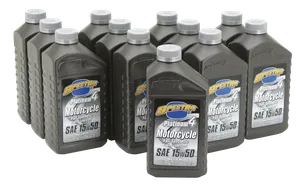
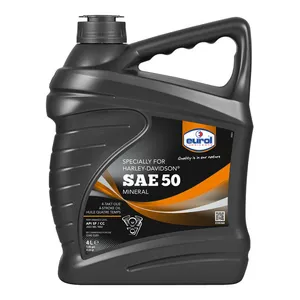
UK Milwaukee-Eight and Twin Cam owners run a 20W-50 motorcycle-specific oil in the engine sump. The factory fill is Harley-Davidson 360 Motor Oil; the most common independent alternatives in the UK are Spectro Heavy Duty Platinum, Red Line 20W-50, Castrol Power 1 V-Twin and Motul 7100 V-Twin. Capacity is roughly 3.5–4 quarts (about 3.3–3.8 litres) on most M8 and TC bikes; check your owner’s manual for the exact number. Sportster Evolution shares its oil between engine, primary and gearbox, so you only need one fluid — use a motorcycle oil that meets JASO MA/MA2, never an automotive oil.
Primary chaincase fluid
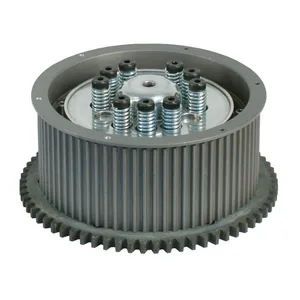
The primary lives on the left of the bike and houses the clutch and primary chain. It uses a dedicated fluid — H-D Formula+ Transmission & Primary Chaincase Lubricant or Spectro Primary Chaincase Lubricant. Capacity is roughly 32–38 oz on Big Twin. Change interval is every 5,000 miles or annually under the H-D book; in practice most UK owners do it at every engine-oil change because it is cheap insurance and the clutch lives in there.
Transmission (gearbox) fluid
Separate sump on Big Twin. Capacity around 20–24 oz. H-D Syn3 75W-140 or Spectro Heavy Duty Platinum Gear are the two common picks; both work. Change interval is the same as primary — 5,000 miles or annually — but in practice the gearbox is the most tolerant of the three and most failures here trace back to debris (a magnet on the drain plug will tell you).
Brake fluid
DOT 4 on every modern Harley, including ABS bikes. Replace every two years regardless of mileage — brake fluid absorbs water from the air and loses boiling point quickly. Use a vacuum bleeder or a one-man kit, work front then rear (and a separate ABS module bleed if your bike has one and the fluid is badly aged). Do not let the master cylinder run dry. Do not mix DOT 4 with DOT 5 (silicone) — they are not compatible and the mix will fail.
Fork oil
Often forgotten. Telescopic-fork Harleys (most of the range) use a fork-specific oil — typically SAE 5W or 10W, exact spec depends on model. Change interval is 20,000–30,000 miles in the H-D schedule, but realistically anyone doing high-mileage or off-stock-suspension work should consider it sooner. Soft forks, stiction, or fluid that comes out looking like coffee on the drain are all signs you are overdue.
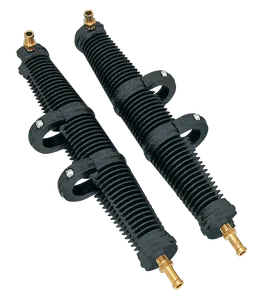
Browse oils and chemicals by type, or shop oil, filters and coolers as a group. Use the Part Finder to match fluid capacities to your exact year and model.

Filters & ignition
Air Filter, Oil Filter, Spark Plugs
Three small consumables that punch a long way above their weight. A blocked air filter, a tired oil filter or a fouled set of plugs will not stop the bike, which is why they get neglected; what they do instead is slowly wear out the more expensive parts upstream of them.
Air filter
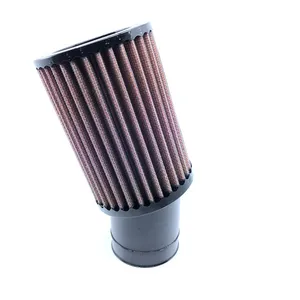
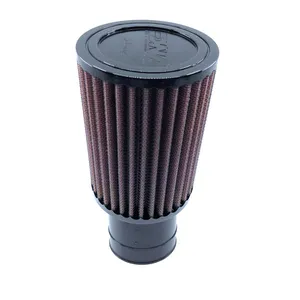
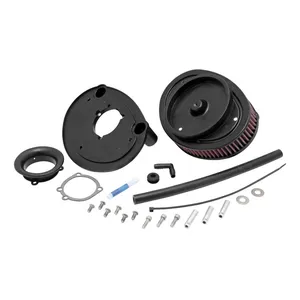
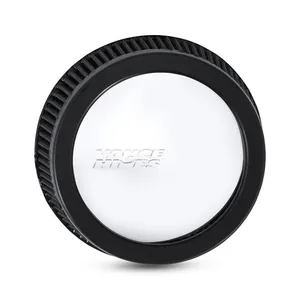
The stock paper filter on a Milwaukee-Eight is rated for 25,000 miles by H-D but rarely gets there in UK use — city commuting and the kind of damp summer dust we get in the Cotswolds and the Yorkshire dales loads them up much faster. Check at every service, replace when it has gone visibly dark and the pleats have collapsed. Open the airbox cover, take a phone photo, you will know. If you have already gone Stage 1 with a Screamin’ Eagle Heavy Breather, K&N Aircharger or S&S Stealth, you have a reusable cotton element — clean every 10,000–15,000 miles with the appropriate cleaner and filter oil, do not just blow it out with an airline. The cleaning kit is £15 and a 20-minute job.
Oil filter
Replace at every oil change. Always. The filter is £8 and the consequence of running an old one is metal in the oil pump. Genuine H-D, K&N, Hi-Flo and Twin Power all make filters that fit M8 and Twin Cam; spec is a spin-on, torque to 17 ft-lb or as marked. Pre-fill the filter with oil before fitting if you can do so without spilling it — saves the first ten seconds of dry running on a cold start. Black filter cans look better, chrome filter cans are functionally identical. Sportster Evolution uses a different filter; check fitment.
Spark plugs
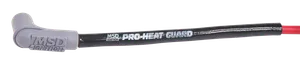
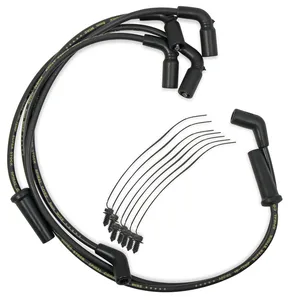
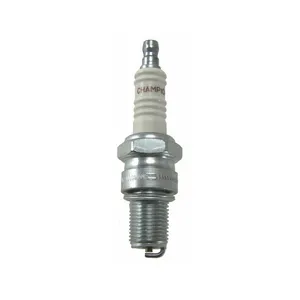
Milwaukee-Eight runs twin-plug heads — four plugs total. Stock spec is NGK or Champion, gap around 0.038–0.043"; check the owner’s manual for your exact engine. H-D book says 25,000 miles; we change at every other oil interval (10,000 miles) just because access is easy and a fresh set firms up throttle response. Twin Cam is single-plug, same gap ballpark. Sportster Evolution is single-plug, slightly different spec. RevMax (Sportster S, Nightster, Pan America) uses iridium plugs and is more involved — best left to a dealer unless you have done one before and have the correct deep socket.
Browse air-intake filters and parts, OEM and aftermarket oil filters, and full ignition and electrical service items.
The bits that stop you
Brakes, Tyres & Wheels
Brakes and tyres are where the maintenance conversation stops being optional. The rest of this guide is about keeping the bike running well; this section is about it stopping when you ask it to and staying in a straight line when you don’t.
Brake pads
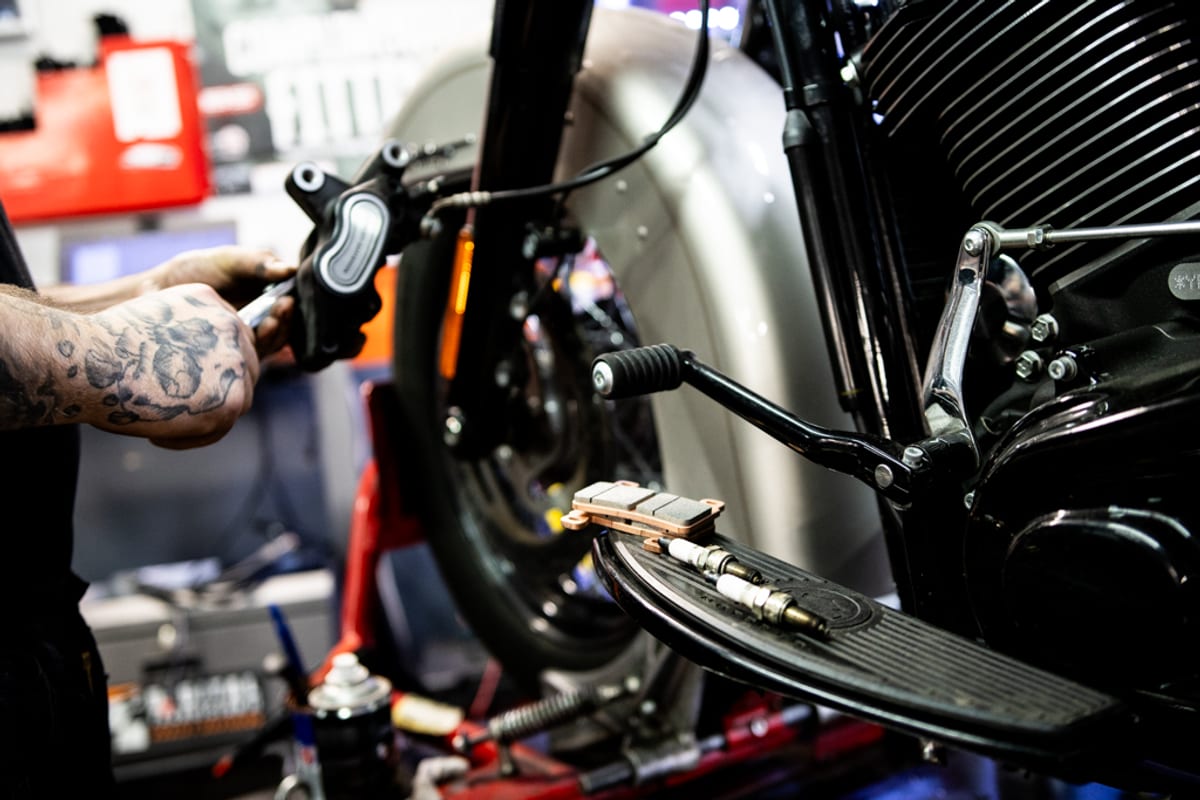
Three families. Sintered metal (EBC HH, Galfer HH, Lyndall Z+, Brembo SP) is the standard for road bikes — best bite, best wet performance, harder on rotors. Organic / resin pads are softer, quieter, easier on rotors, but fade earlier under hard or repeated use; perfectly good for a Sportster that mostly cruises. Ceramic sits in the middle, less dust, longer life, slightly less initial bite. Check pad thickness every oil change — minimum is around 1mm of friction material above the backing plate; we change at 2mm in practice. Glazed or contaminated pads (oil, brake fluid, polishing chemicals) need replacing; you cannot rescue them with sandpaper.
Brake rotors
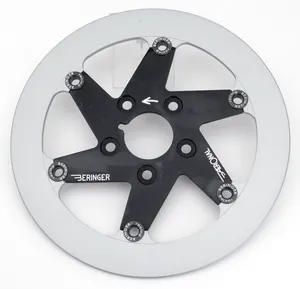
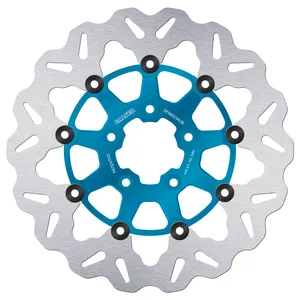
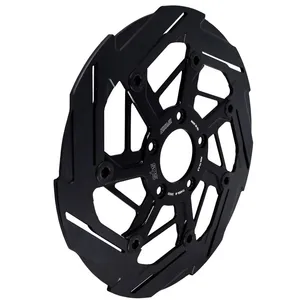
Rotors wear too, slower than pads but with hard limits. Each rotor has a minimum thickness stamped on it (around 4.5mm on most Harleys); below that it is illegal and unsafe. The other failure modes are warping (pulsation through the lever) and heat-cracking (visible cracks radiating from the holes). Touring bikes with heavy panniers and twin-disc fronts eat front rotors faster than people expect. EBC, Galfer, Lyndall and Brembo all do direct replacements at sensible prices.
Brake fluid and lines
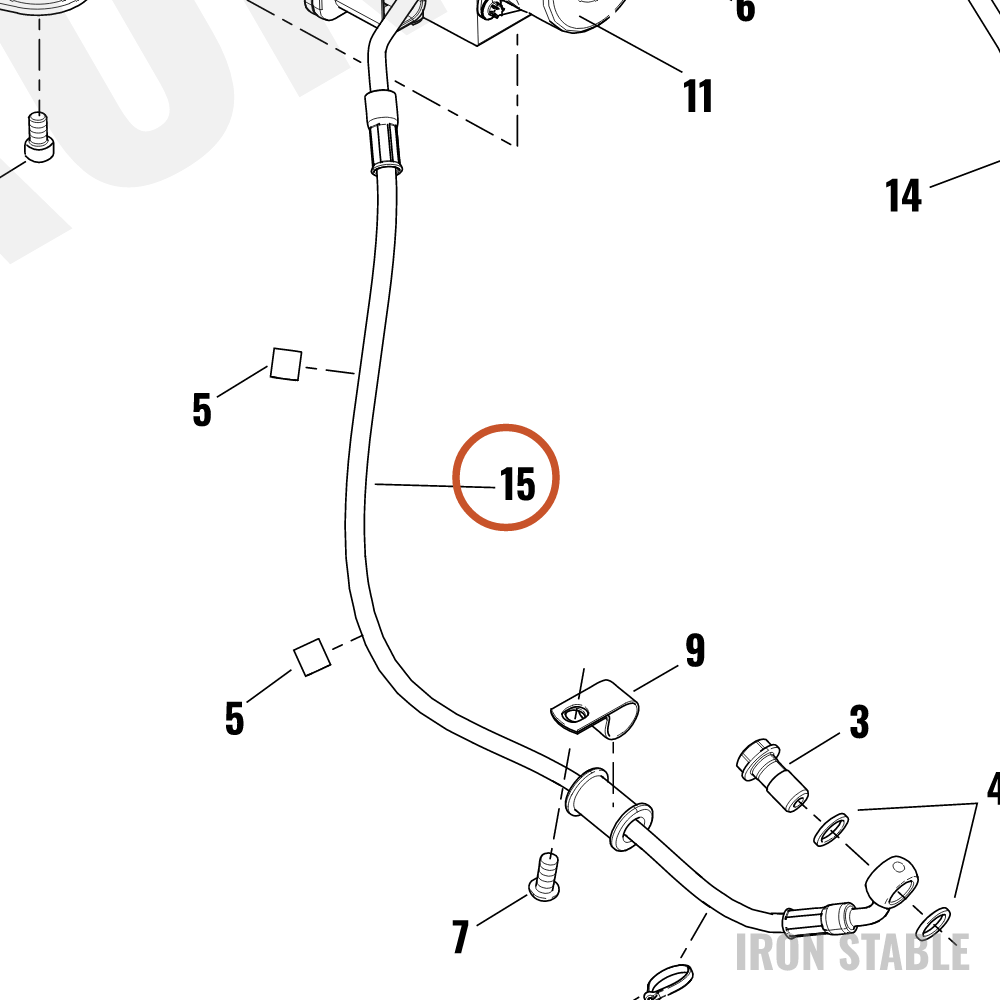
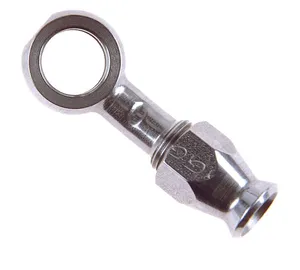
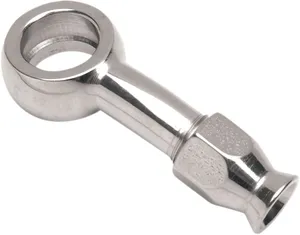
Already covered under fluids — DOT 4, every two years. Steel braided brake lines (Goodridge, HEL, Magnum) are the cheapest meaningful upgrade you will ever make to a Harley; OEM rubber lines expand under pressure and rob you of feel. Inspect rubber lines for cracks at every service; replace if you find any.
Tyres
Three checks: tread, age, condition. Tread: UK legal minimum is 1mm, practical minimum on a sport-touring tyre is 2–3mm. Age: read the DOT date code on the sidewall — anything more than five years old is hardened and grip is suspect regardless of tread. Condition: sidewall cracks, cord exposure, flat-spotting from sitting on the same patch of garage floor all year. Pressures — check cold, follow the placard on your frame neck, not the maximum on the sidewall. Common UK Harley tyre choices: Dunlop D408/D407 (Touring OE replacement), Michelin Commander III, Metzeler ME888 / Cruisetec, Bridgestone Battlecruise, Avon Cobra Chrome.
Wheel bearings
Often overlooked. Rock the wheel side-to-side with the bike on a paddock stand or lift; any play means bearings. They are a £30 part and a £150 dealer job; if you do them at home you need a slide-hammer puller and patience. Check at every other service if you ride in the wet, which is to say, if you ride in the UK at all.
Browse brake parts, tyres and wheel components, and brake lines and hardware.


Power & light
Battery, Charging & Electrical
More Harleys fail to start in spring than fail at any other point of the year. The reason is almost always the battery. Three months sitting in a damp UK garage with a constant security-system parasite draw will flatten an AGM battery to the point of permanent damage — not just to "won’t start," but to "will never hold a proper charge again." This section is mostly about prevention.
Battery basics
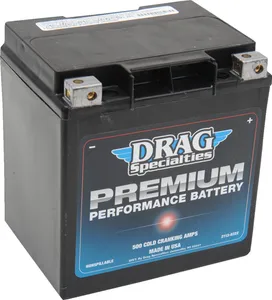
Modern Harleys run a 12V sealed AGM (absorbed glass mat) battery. Healthy resting voltage is 12.6V or above. 12.4V is partially flat and recoverable. Below 12V is sulfating and may not recover even with a proper smart charger. Test with a multimeter at the terminals, engine off, ignition off. If the bike has been sitting for a week or more, plug a charger on — it is not a sign of weakness, it is just maintenance. Common OEM-spec replacements come from Yuasa, Westco, Twin Power and Drag Specialties; spec is bike-specific so use the Part Finder to be sure.
Smart chargers and tenders
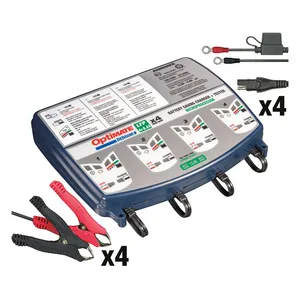
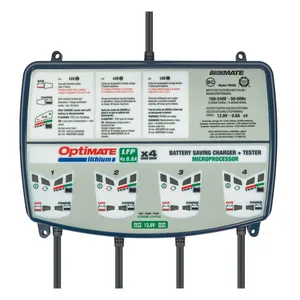
OptiMate 4 Dual Program, OptiMate 6, Tecmate Battery Saver, NOCO Genius — all good, all do the same job: maintain charge, run desulfation pulse cycles, and shut off at full charge so the battery is not cooked. Harley fits an SAE pigtail on most bikes as standard, ready to plug a tender into. If yours doesn’t have one, ten minutes with crimps and you can add it. Plug in for the duration of every sit longer than two weeks. We see more dead Touring batteries in March than any other single failure all year.
Lighting
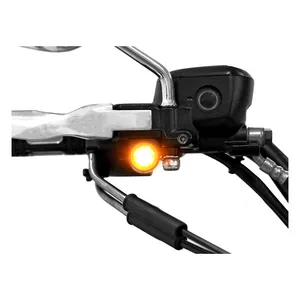
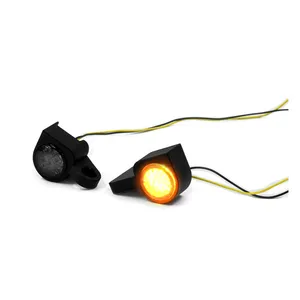
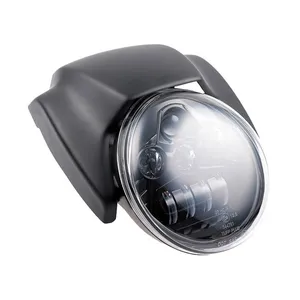
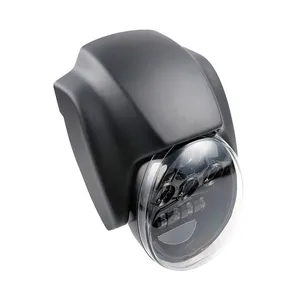
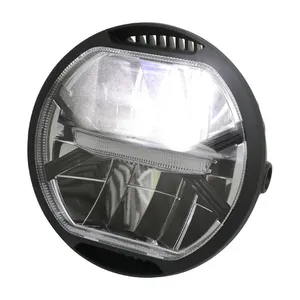
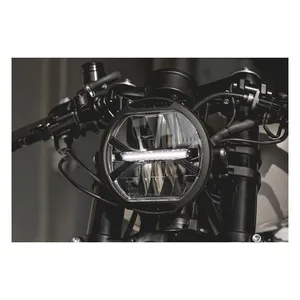
Stock incandescent bulbs are short-lived and dim by modern standards. LED upgrades for headlamp, taillight, brake light and indicators are cheap, bright, and lower the load on the charging system. Make sure indicator LEDs come with the correct load resistor (or use can-bus-friendly units) or you will get fast-flash. For headlamps, look at Daymaker, JW Speaker, Custom Dynamics, KURYAKYN and the OEM Screamin’ Eagle units. UK MOT requires E-marked beam pattern — check before you fit.
Fuses, switches and the rest
Pull the fuse panel and look at it once a year. Corrosion on the connectors, discoloured fuse bodies (a sign of overheating), and any aftermarket wiring junctions — if they are not crimped properly with heat-shrink they will fail in the wet. Switch failures (turn-signal cancel, kill switch, ignition) are more common on older bikes; replacements are not expensive.
Browse electrical service parts including batteries, smart chargers, bulbs, LED upgrades, fuses, switches and wiring.
The last mile
Drive Belt, Cables & What to Leave to a Dealer
The drive belt and the control cables are the two parts riders most often forget exist until they fail. Both are cheap to inspect, both have clear warning signs, and both are catastrophic when they go on a ride. This section also covers the line between sensible home maintenance and "give it to someone with the right tools."
Drive belt
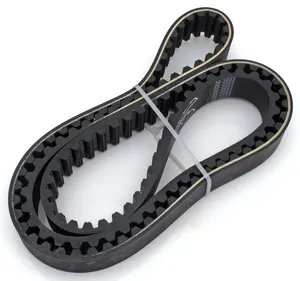
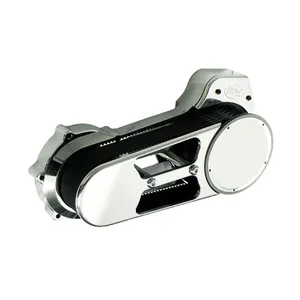
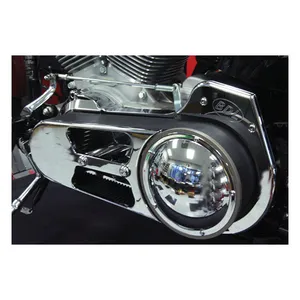
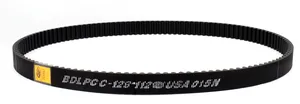
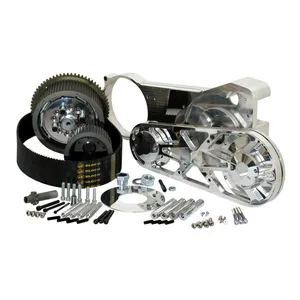
The carbon-fibre rear-drive belt on a Harley is, properly looked after, good for 50,000–80,000 miles. Properly looked after means: correct tension (H-D spec is bike-specific, broadly 5/16–7/16 inch deflection mid-span with no rider on the bike), no missing teeth, no cracking across the back, no fraying at the edges. Inspect once a year minimum, more if you ride dirty roads where stones can wedge between belt and pulley. A belt that has lost one tooth and gone unnoticed will lose more, fast — and a snapped belt at speed strands you. Gates, Goodridge, Drag Specialties and OEM H-D all sell direct replacements; the job itself is a 2–4 hour exercise depending on whether you have to pull the swingarm.
Sprockets and chains (Sportster pre-belt and some customs)
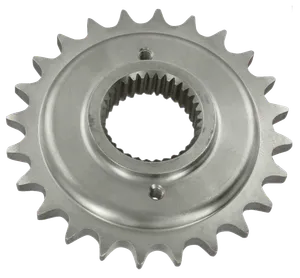
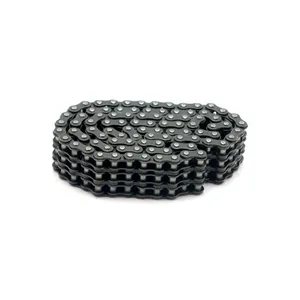
If you have a chain-driven Sportster or a custom with a chain conversion, you are on a different maintenance schedule — cleaning and lubing every 300–500 miles, adjusting tension every 1,000–2,000, replacing chain and sprockets as a set every 15,000–25,000 depending on use. Belt drives don’t need this. Most modern Harleys are belt and most riders never see a chain.
Cables
Clutch and throttle cables outlast almost everything else on a Harley but they do stretch, fray, and seize — particularly the throttle pull/push pair on the older twin-cable setup. Inspect at every service: pull the cable boot back, look for corrosion or fraying at the junction, check for free movement. A drop of motorcycle cable lube once a year keeps the inner moving cleanly. Replace if it is binding or you see any wire damage. Barnett, Magnum, Motion Pro and OEM H-D are the names you will see.
What to do at home, what to leave to a dealer
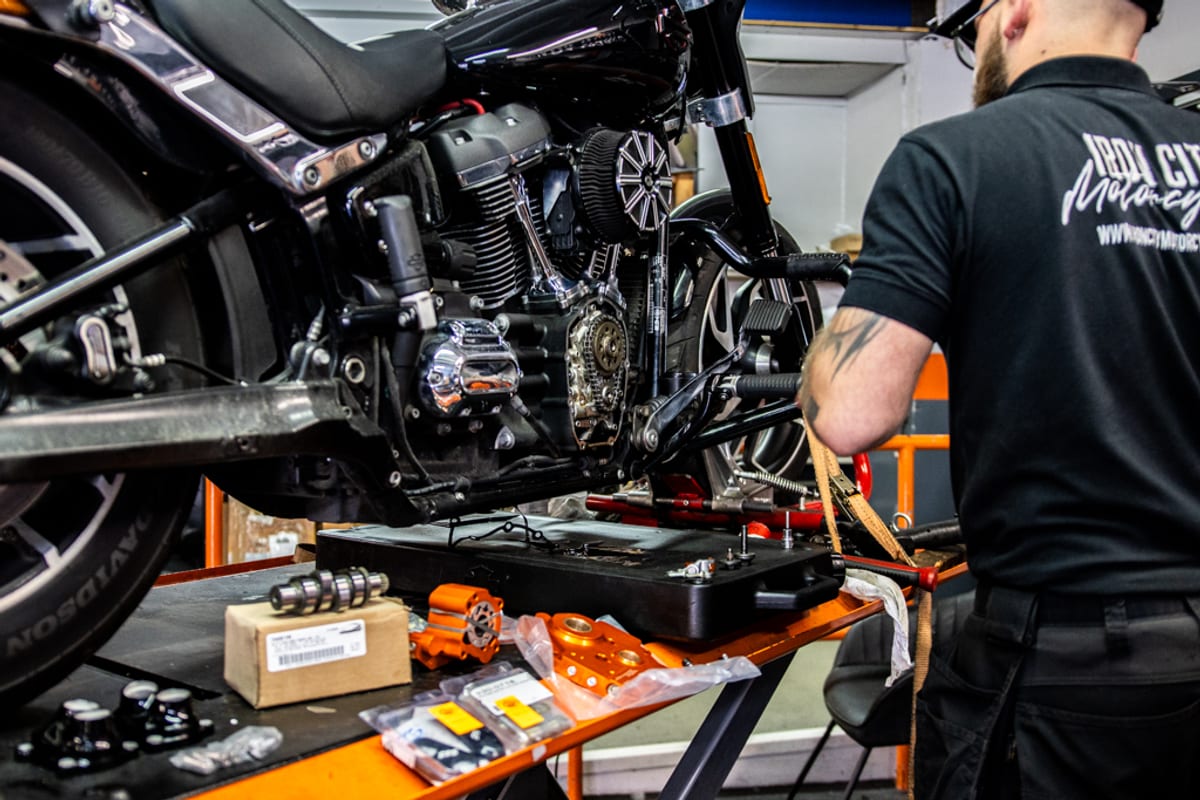
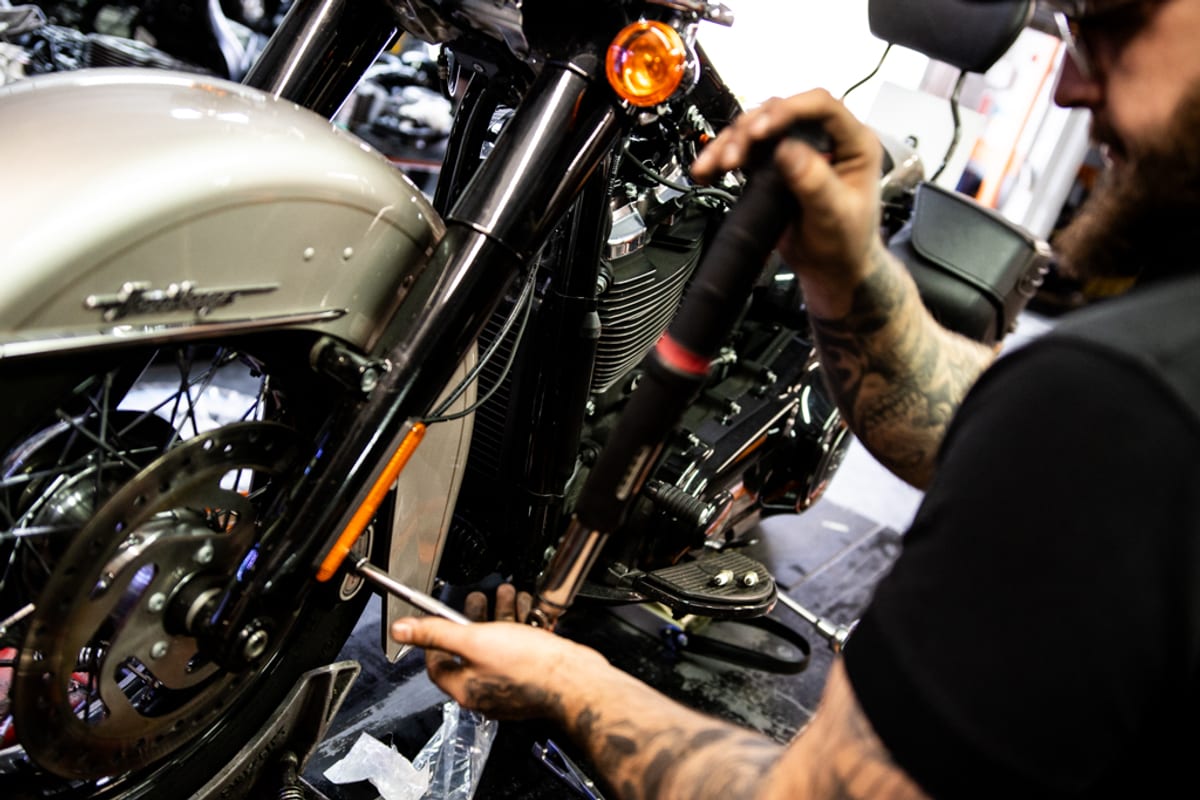
Honest list. At home with basic tools: oil and filter change, primary and gearbox fluid changes, brake pads, brake fluid bleed, air filter, spark plugs, battery removal and charging, tyre inspection and pressure, belt inspection and adjustment, bulb changes, cable lubrication. Confident home mechanics: rear belt replacement, basic clutch adjustment, wheel-bearing replacement, fork-oil change, brake-rotor replacement, brake-line replacement (with a careful bleed). Leave to a dealer or specialist: ECM tune and reflash, valve adjustment, primary chain replacement on a chain primary, engine internals, ABS module bleeds, anything you are not sure of on hydraulics. The right tool matters for most of those — a Digital Tech II or Power Vision is not a luxury, it is the only way to talk to the bike.
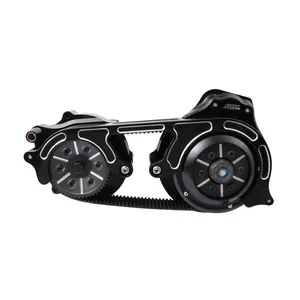
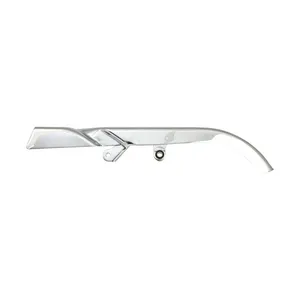
Browse drive belts and pulleys, clutch and throttle cables, and sprockets and chains for the small handful of bikes that still need them.
Common questions
Frequently Asked Questions
How often should I change the engine oil on a Harley-Davidson?
Harley-Davidson’s official Milwaukee-Eight schedule is every 5,000 miles or annually, whichever comes first. UK riders rarely hit 5,000 miles a year on a Harley — typical mileage is between 2,500 and 4,000 — which means the annual change usually wins. We say annually as a hard minimum, and twice a year for anyone doing short runs in cold weather, because fuel dilution and condensation in the sump are worse than mileage at that point. Twin Cam follows the same logic; pre-2017 owner manuals still call for 5,000 miles. Older Evolution bikes (carb, dry-sump) like a fresh fill at 2,500–3,000.
What’s the difference between engine oil, primary fluid and transmission fluid on a Harley?
On Big Twins from Twin Cam onwards there are three separate lubricant systems and they are not interchangeable. The engine runs on a heavy-duty motorcycle oil (typically 20W-50 in the UK, the H-D 360 or the Spectro Heavy Duty equivalent). The primary chaincase — the housing on the left of the bike that contains the clutch and primary chain — runs on a dedicated primary fluid (H-D Formula+ or Spectro Primary Chaincase Lubricant). The transmission runs on a gear oil (H-D Syn3 75W-140 or Spectro Heavy Duty Platinum). On Sportster Evolution (pre-2022) all three share the same oil out of the same sump, which is why Sportster owners get away with one bottle and Touring owners do not. Get this wrong and you will fry a clutch in fairly short order.
When do I need to change the brake fluid?
Every two years, regardless of mileage. Brake fluid is hygroscopic — it absorbs water from the air — and the boiling point drops fast as water content climbs. DOT 4 is what Harley-Davidson specifies on every modern bike; do not use DOT 5 (silicone) unless your bike was originally built for it (some older Big Twins and customs were). Mixing the two is not just wrong, it is the kind of wrong that strips the brake system of pressure on a downhill bend in Wales. The bleed itself is a 30-minute job at home with the right vacuum bleeder; the part most people get wrong is letting the master cylinder run dry. Tape a transparent reservoir to the fitting and you will not.
Can I use car engine oil in my Harley-Davidson?
Short answer: no. Long answer: also no, but worth understanding why. Car engine oils contain friction-modifier additives that are designed to reduce drag inside an engine that does not share its sump with a wet clutch. Pour them into a Harley primary and the clutch plates will slip — sometimes immediately, sometimes after a few hundred miles, but they will slip. Even in the engine sump alone on a Sportster (where engine and primary share) you are running an oil not designed for the shear loads of a motorcycle gearbox. Stick with motorcycle-specific oils that meet JASO MA/MA2 spec — H-D 360, Spectro, Red Line and Castrol Power 1 all qualify.
Do I need to keep my Harley on a smart charger over the winter?
If the bike is sitting more than two weeks without being ridden, yes. Modern Harley-Davidson electronics — security system, ECM keep-alive, clock, immobiliser — draw a small constant current that will flatten an AGM battery in three to five weeks. UK winters routinely add cold-start punishment on top. An OptiMate 4 or a Tecmate Battery Saver, plugged in via the SAE pigtail H-D fits as standard on most bikes, keeps the battery at full charge and runs a desulfation pulse cycle while it does so. We see more dead batteries every March than any other single failure — it is genuinely the cheapest preventative maintenance you will ever do.
How do I know when my tyres need replacing?
Three checks: tread depth, tread age, and visible damage. UK legal minimum is 1mm of tread depth across three-quarters of the tyre width, but at 2mm a sport-touring tyre has already lost meaningful wet grip — we replace at 2–3mm in practice. Age matters as much as tread: a tyre with a DOT date code more than five years old, even with tread to spare, has hardened rubber that will not warm up properly and will let go on cold UK tarmac. The date code is a four-digit number on the sidewall — "2521" means week 25 of 2021. Cracks in the sidewall, exposed cord, or flat spots from sitting all year on the same patch of garage floor: same answer, replace.
How often should I check the drive belt?
Inspect every oil change — so once a year or every 5,000 miles, whichever you do first. The two things to look for are tension (deflect mid-span; H-D spec is around 5/16" to 7/16" cold) and physical condition (missing teeth, cracks across the back, frayed edges where road debris has been kicked up). A belt that is tensioned correctly and not visibly damaged is usually good for 50,000–80,000 miles. The failure mode that catches people out is rear-tyre debris damage — a small stone caught between belt and pulley can chew a tooth out without you ever feeling it. Pull the belt cover off, take a torch, and look at the inside face.
What service can I do at home, and what should I leave to a dealer?
Honest list. At home with basic tools: oil and filter change, primary and gearbox fluid changes, brake-pad replacement, brake-fluid bleed, air-filter clean or replace, spark-plug change, battery removal and charging, tyre pressure and visual inspection, belt inspection and adjustment, bulb changes, cable lubrication. Confident home mechanics: rear-belt replacement, basic clutch adjustment, wheel-bearing replacement, fork-oil change. Leave to a dealer (or independent specialist) anything that involves the ECM/tune, valve adjustment, primary chain replacement on a chain-driven primary, engine internals, or brake hoses where you are not 100% confident you can bleed the system properly. ABS bleeds especially — the abs module needs the diagnostic tool to cycle through, and getting it wrong is a particularly nasty way to find out.
How often should I change the spark plugs and what gap do I need?
Milwaukee-Eight: H-D specifies every 25,000 miles, but in practice most UK M8 owners change them every other oil change (i.e. every 10,000 miles or every couple of years) just because the access is easy and a fresh set firms up the throttle response noticeably. Twin Cam: same interval, slightly more involved access. Sportster Evolution: 25,000 mile recommendation, fine to do at 15,000 if you are in there anyway. Standard gap is 0.038–0.043" on M8 and Twin Cam; check the bike-specific spec for Sportster RH (Revolution Max) and Pan America which are different again. Torque to spec — over-tight is how you damage a head, under-tight is how you blow one out at 4,000 rpm.
When should I change the air filter?
Stock paper element: H-D spec is every 25,000 miles or once it is visibly grey-black with road dirt — whichever comes first. UK conditions, especially anyone commuting through a city, will get there much sooner; we see plenty of filters fit for replacement at 8,000–10,000 miles. Reusable cotton elements (K&N, Screamin’ Eagle Heavy Breather, S&S Stealth) get cleaned every 10,000–15,000 miles and last the life of the bike if you treat them properly. The cleaning kit (cleaner spray + filter oil) is a £15 item and a 20-minute job. Letting a filter go too long is a cheap mistake with expensive consequences — a bike running through a clogged filter goes rich, washes the oil film off the cylinder walls, and accelerates ring wear.
What actually is the best oil for a Harley-Davidson?
The best oil is a motorcycle-specific one that meets JASO MA/MA2 spec and the right viscosity for your engine — for most UK Big Twins that means a 20W-50. Beyond that, the brand wars are mostly noise: Harley’s own Screamin’ Eagle Syn3 and the H-D 360 mineral are perfectly good, and so are Spectro, Red Line, Motul 7100 and Castrol Power 1 V-Twin. What matters far more than which bottle you buy is that it is rated for a shared-sump wet-clutch motorcycle (so no car oil, ever) and that you change it on time. A mid-price synthetic changed annually will out-protect a premium oil left in for three years. Pick a JASO-rated 20W-50 you can get easily and stick with it.
What are the most common parts that fail on a Harley-Davidson?
After years of shifting parts, the usual suspects are remarkably consistent. Batteries top the list — AGM units killed over winter by a parasitic drain, almost always avoidable with a smart charger. Then drive belts (stone damage and age), wheel and steering-head bearings, fork seals that weep, and the classic oil leaks: rocker box gaskets, primary cover gaskets and derby/inspection cover seals. On Twin Cams specifically, the cam chain tensioners on the earlier hydraulic design are the one to know about. Electrical niggles — switchgear, regulators/rectifiers, and corroded connectors after a wet UK winter — round it out. None of these are bike-killers if you catch them early, which is the whole argument for a proper annual inspection.
Are Harley-Davidson seats interchangeable between models?
Within a platform, often yes; across platforms, usually no. Harley seats mount to a specific frame and tank shape, so a Touring seat is designed around a Touring frame and a Batwing/tank, a Softail seat around a Softail, and so on — the mounting tongue, rear bracket and the way the nose meets the tank all have to line up. You can frequently swap seats between models that share a frame generation and tank (many Softail variants, for instance), but moving a seat between, say, a Road King and a Heritage is where people come unstuck on the tank-to-seat gap and the rear mount. Always check the seat is listed for your exact model and year before buying — and if you are tank-swapping, expect to sort a bracket or filler panel.
Do I really have to pull the primary and swingarm to replace a broken drive belt?
On most Big Twins, yes — and it is the reason a "cheap" belt becomes a proper workshop job. The final drive belt is a continuous loop that runs inside the swingarm and behind the primary, so to thread a new one on you genuinely have to break into the primary drive and drop or swing the swingarm enough to pass the belt through. There is no split-belt shortcut on a standard Harley. It is doable at home if you are competent and patient, but budget a day, the right service manual, and fresh primary fluid and gaskets for the reassembly. This is also the argument for inspecting the belt regularly: replacing one on your schedule is a planned job, replacing one at the roadside is a recovery truck.
How do I tell a cracked ignition coil from a fouled spark plug on a Milwaukee-Eight?
Both give you a misfire, but they behave differently. A fouled or worn plug tends to misfire consistently on that cylinder, often worse under load, and pulling the plug shows the story — black sooty deposits (running rich), oily wet fouling, or a worn/closed gap. A cracked or breaking-down ignition coil is more of a heat-and-moisture gremlin: fine when cold, misfiring once everything warms up or in the wet, sometimes throwing an intermittent misfire code that jumps around. The quick test is to fit a known-good plug first — it is the cheap, five-minute swap. If a fresh, correctly-gapped plug does not cure it and the misfire tracks engine temperature or damp weather, suspect the coil. A darker rear-cylinder plug on its own, by the way, is often just the M8 running the rear hotter — not automatically a fault.