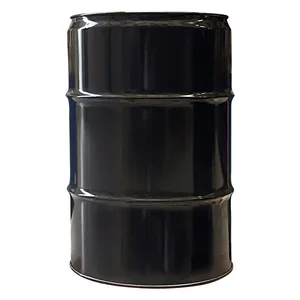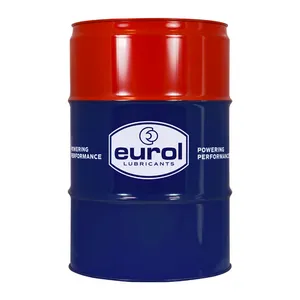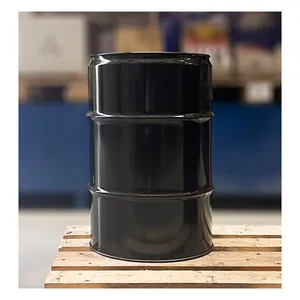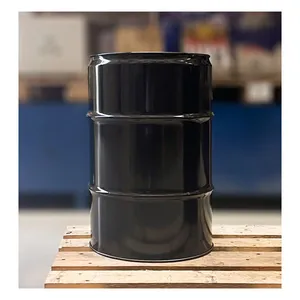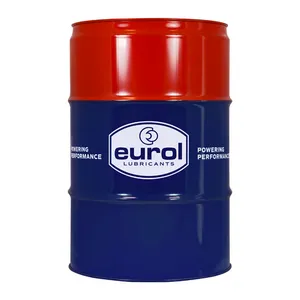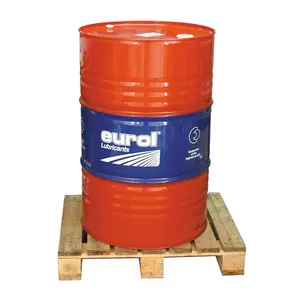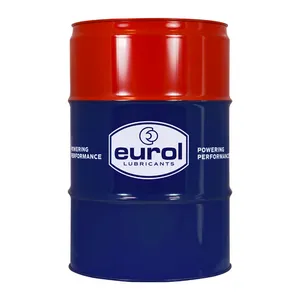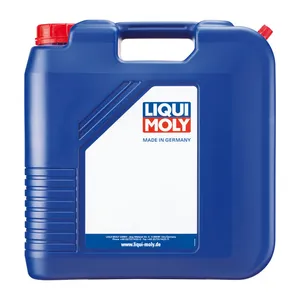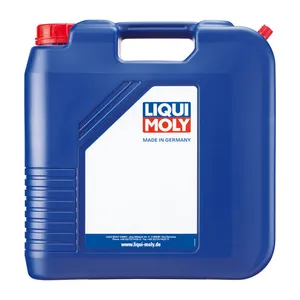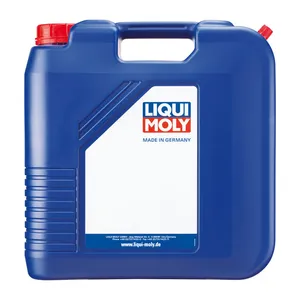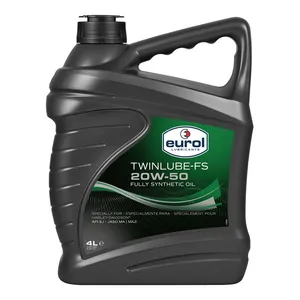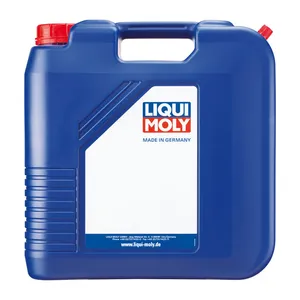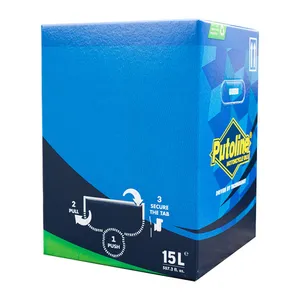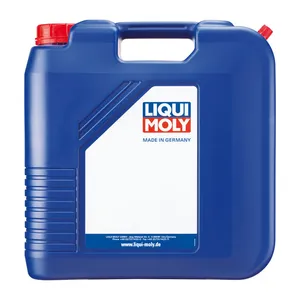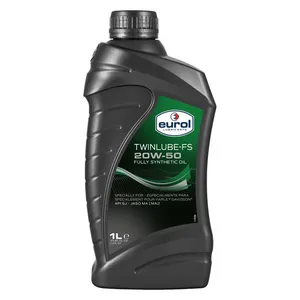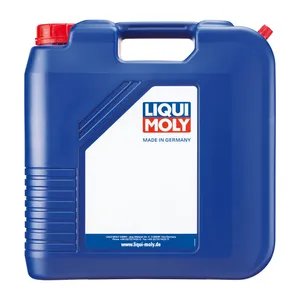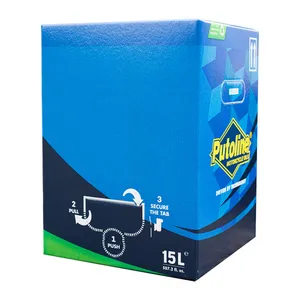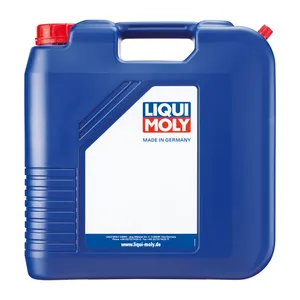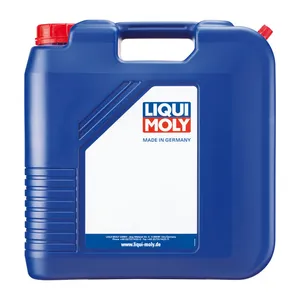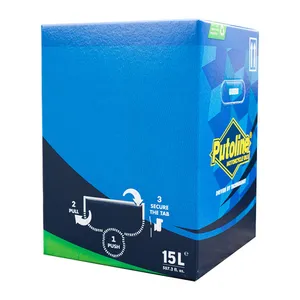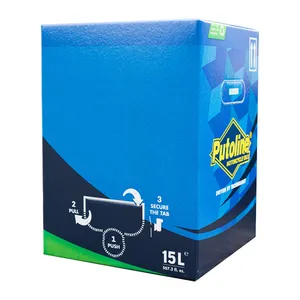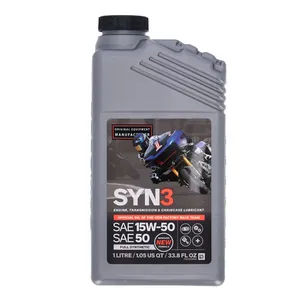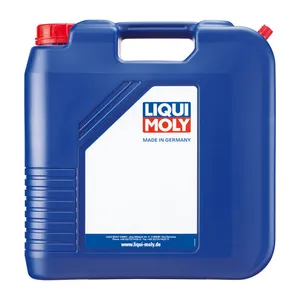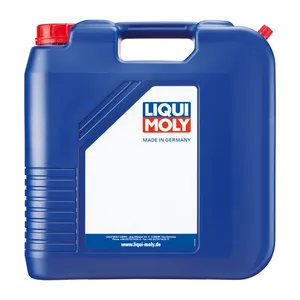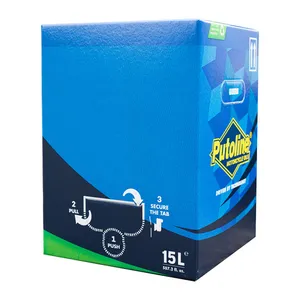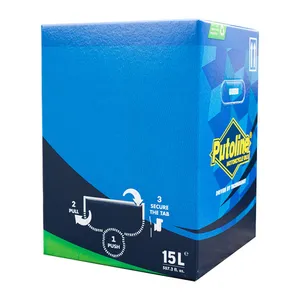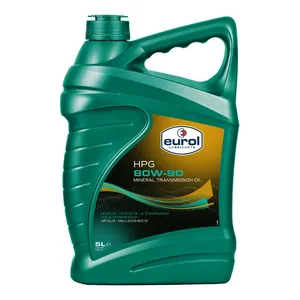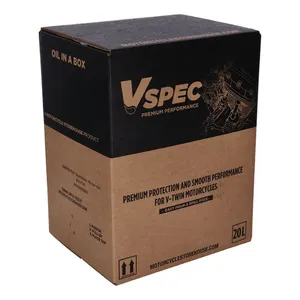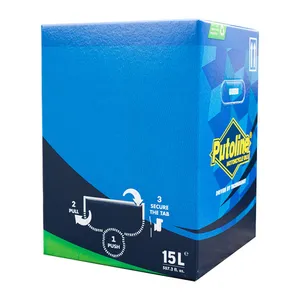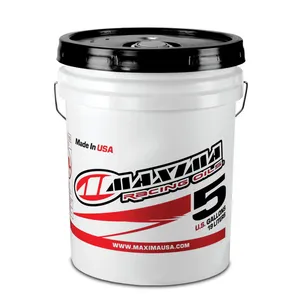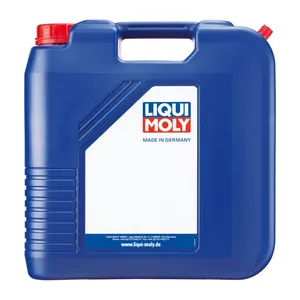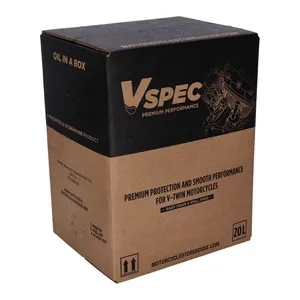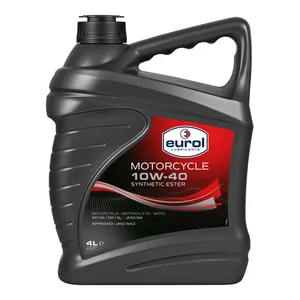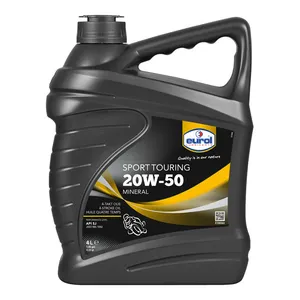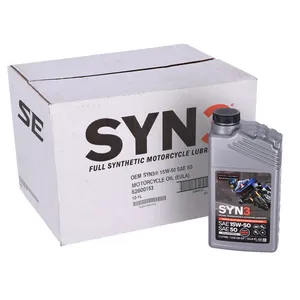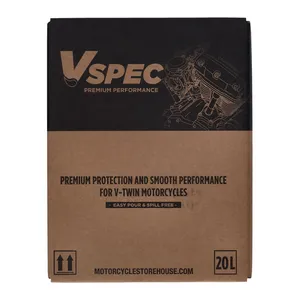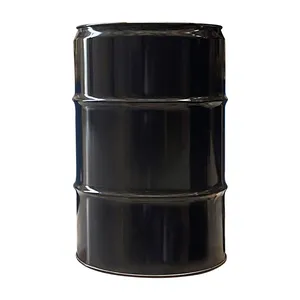
Vspec, 20W50 Full Synthetic motor oil. 200 liter drum
Vspec
#V130970102-200L
£2048.09£1843.28
Member£1740.88-15%
616 products
Engine oil, primary and gearbox fluid, brake fluid, cleaners and workshop chemicals — over 500 lines from Liqui Moly, Putoline, Eurol and Maxima. Worth knowing before you order: a Big Twin holds three separate oils — engine, primary chaincase and gearbox — and only Sportsters share the primary and gearbox fill, so a full fluid change is three products on most Harleys, not one. Air-cooled 45-degree twins run hot and mostly call for 20W-50, and the primary needs an oil the wet clutch can live with, which is why dedicated primary fluids exist instead of pouring in the engine leftovers. Around the bike itself: Loctite for the fasteners you never want backing out, Autosol for chrome that has gone dull, and corrosion protectants for anything ridden on salted British winter roads.
Or enter a custom range
Showing 1–48 of 616 OILS AND CHEMICALS
Harley-Davidson
The four films cover cleaning and finish care, not engine oil, brake fluid or general lubricant selection. The wider category keeps those existing products and guidance. Product links below identify the exact international bottles and volumes.
Quick Wash and Everyday Detailer do different jobs. Compare the spray-and-rinse process with a light-cleaning detailer, using the directions for the international bottle linked here.
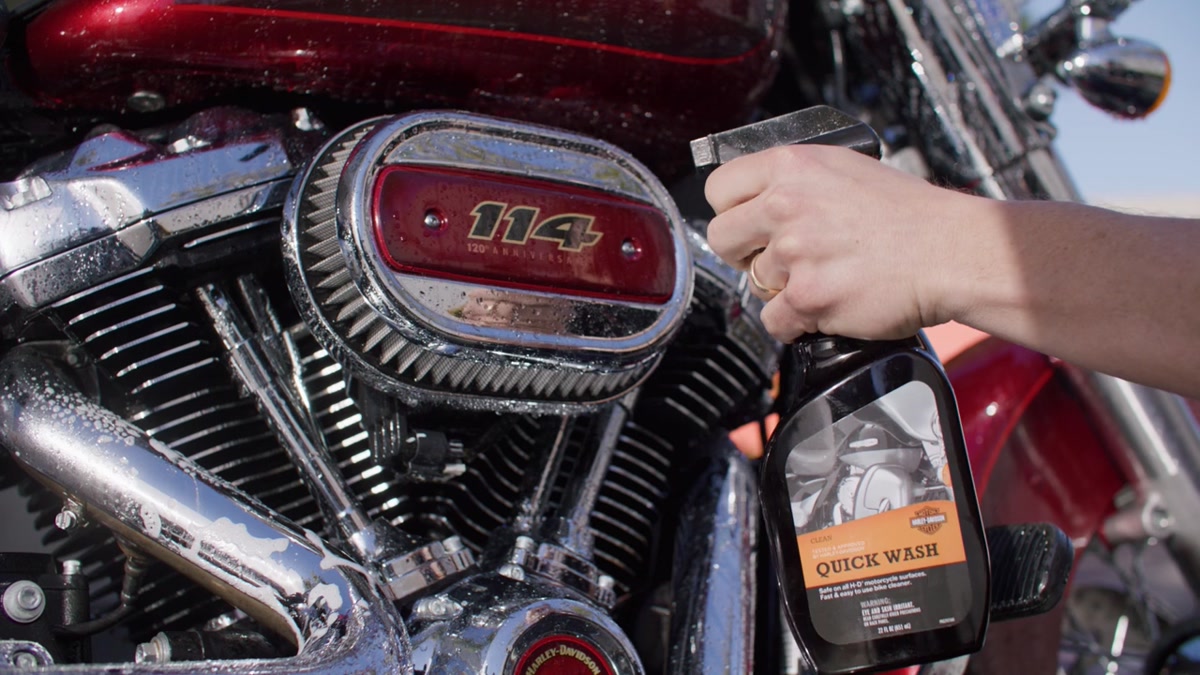
Quick Wash is a spray-and-rinse cleaner for dirt, oil and insects, including awkward spaces that are difficult to reach by hand. H-D describes its sheeting action as helping water rinse away cleanly and prevent spotting. The film presents a quick cleaning process, but also shows that caked-on dirt or insects may need a microfibre towel or wash mitt to loosen them. It is not a promise that every bike will become clean without any wiping.
In the demonstrated process, let the motorcycle cool and pre-rinse with water because the cleaner is water activated. Spray on Quick Wash, allow it to act for at least one minute, then hose it off; use the towel or mitt if needed for stubborn dirt. The current international listing also specifies spraying, waiting one minute and rinsing. Follow the current bottle directions for the actual surface and conditions, while retaining the film’s cooled-bike and pre-rinse context.
The international product matched here is 93600171 in a 650 ml trigger bottle; the source film’s US reference is 93600162. H-D states that the formula does not strip wax, corrode fasteners or spokes, or stain leather and vinyl seats and saddlebags. The film also names chrome, painted finishes and rubber among the applications. These are manufacturer compatibility claims for use as directed, not an unconditional guarantee for every coating, contamination or cleaning method.
Your bike and other filters apply to the matching results.
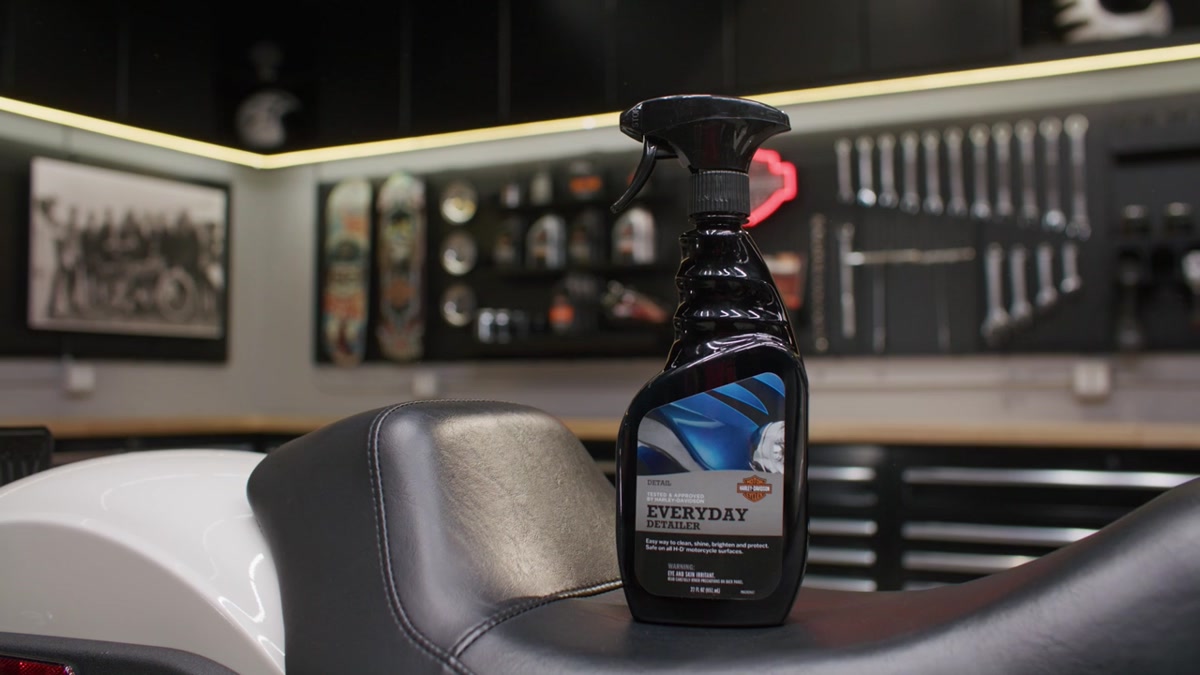
Everyday Detailer is intended for light cleaning between waxes, at home or while travelling. The non-abrasive formula cleans and brightens the finish without a full wash. The current 93600158 listing names paint, clear coat, chrome, glass, windshields, wheels, vinyl and plastic as suitable surfaces. It comes in a 650 ml trigger bottle. The film additionally mentions powder coat, but that is not established by the current named surface list; use the bottle’s directions for your particular finish.
There is an application difference to be aware of when watching: the film says wet or dry surfaces, while the current product listing specifies clean, dry surfaces. Follow the current directions for the bottle you buy. That listing describes spraying on and buffing off with a clean, dry microfibre towel. The film also says the product preserves glaze or polymer sealant; that film-only compatibility statement should not override the instructions for an existing coating.
H-D’s current listing states that the product provides UV protection against fading, is biodegradable and contains no waxes, oils or hydrocarbon solvents. The film goes further by describing 90 days of UV protection and no silicones. Those additional claims are not confirmed for the current bottle by the supplied product evidence, so this explanation does not promise a 90-day protection period or a silicone-free current formulation. The general UV benefit is supported separately from those unresolved details.
Your bike and other filters apply to the matching results.
Fine marks in gloss paint and dirt on vinyl, leather or plastic call for different products. These explanations retain the surface exclusions and the limits of the demonstrated result.
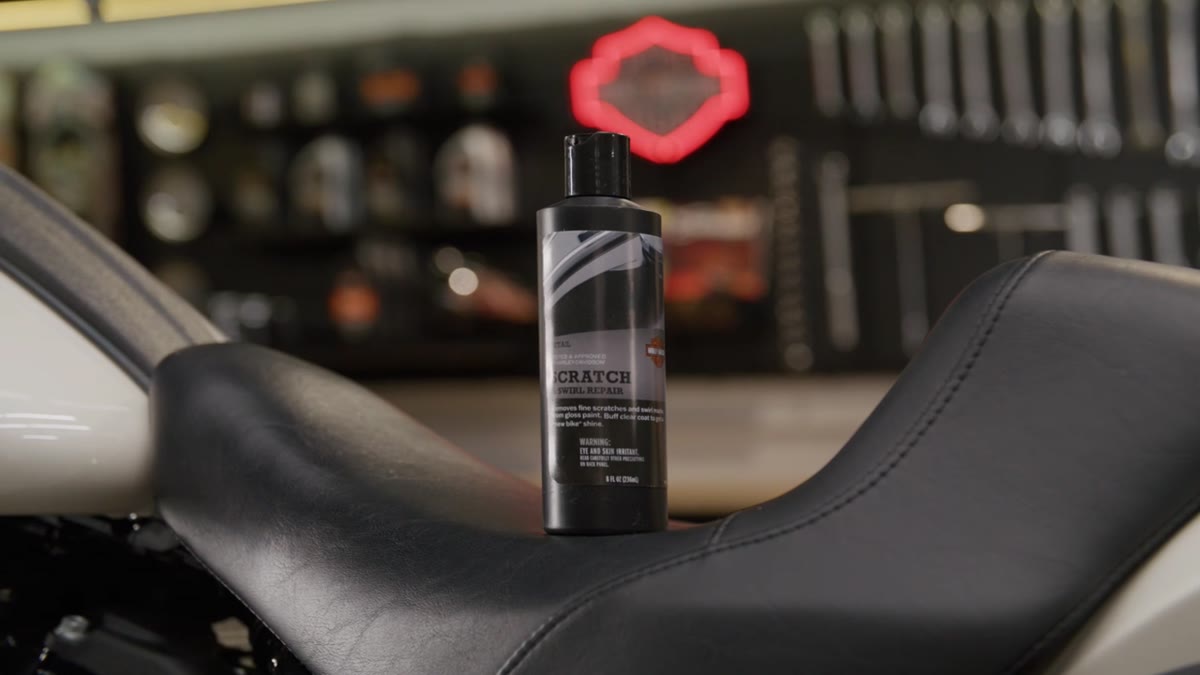
Scratch & Swirl Repair is for fine scratches and swirl marks in gloss paint, such as the marks that can result from a dirty cloth or unsuitable brush. The film explains how its non-rigid abrasives initially level the clear coat, then become less aggressive during buffing to leave a polished finish. The demonstration is a product example, not a promise to repair deep scratches, missing paint or every defect to the same result.
The matched international product is 93600156, supplied in a 236 ml bottle; the film’s US reference is 93600155. Its formula is described as biodegradable. The current listing adds the application detail: work on a clean, cooled motorcycle, apply with a clean microfibre using firm circular movements, allow a light haze to form for one to two minutes, then buff with a separate clean microfibre. These are the product directions, rather than extra steps narrated in the film.
The listing specifically excludes clear-coated, powder-coated or painted wheels. That wheel restriction is not a ban on treating clear coat over gloss body paint, which is the intended use discussed in the film. Check the finish and current bottle instructions before use. This explanation and its product link cover Scratch & Swirl Repair; any separate finishing or protective treatment remains a separate choice.
Your bike and other filters apply to the matching results.
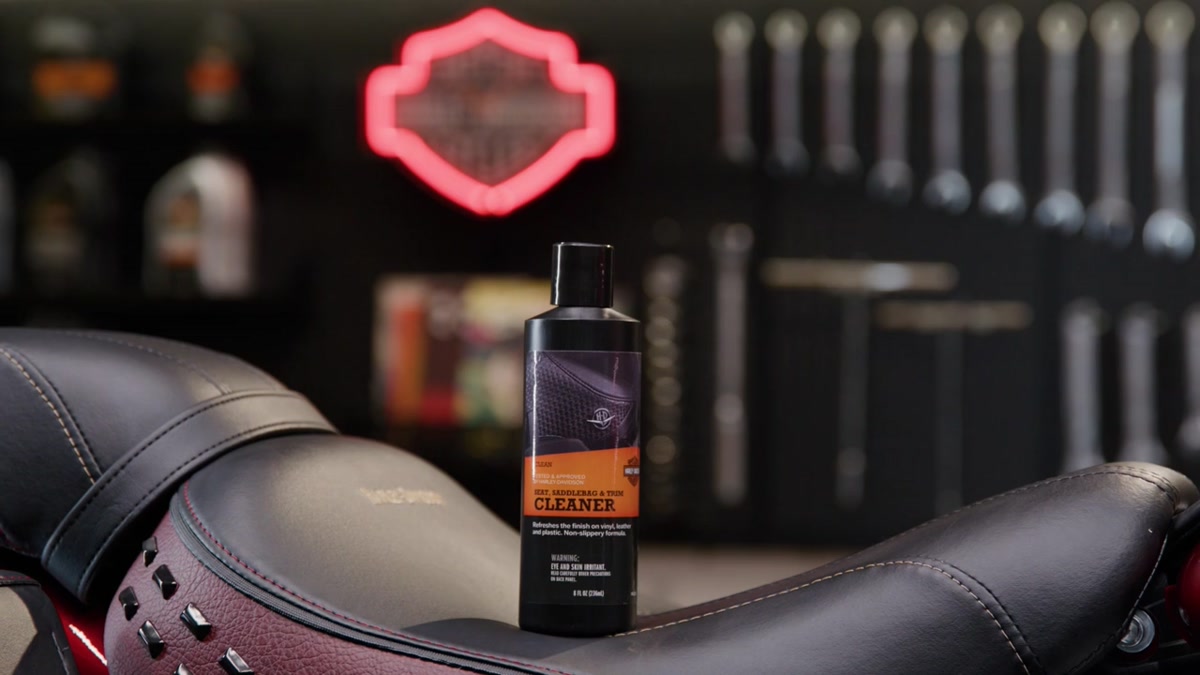
Seat, Saddlebag & Trim Cleaner is a one-step treatment for vinyl, leather and plastic, including seats, saddlebags, inner fairings and dash panels. H-D describes it as cleaning and refreshing the surface without the greasy residue that can attract more dirt. The current international listing confirms that it contains no waxes or other solvents that can dull vinyl and plastic. Those named uses do not establish that the cleaner is suitable for every material or finish.
Apply the gel to the surface with a microfibre applicator, then buff away accumulated dust and grime with a microfibre cloth. The film describes quick drying to a satin finish, and the current listing confirms the satin result. The matched international reference is 93600170 in a 236 ml bottle; the source film identifies the US version 93600167. Although the film also describes a non-slip finish and immediate secure seating, that safety assurance is not independently established for the current international product. Follow its bottle directions and assess the treated surface before riding; the satin appearance alone does not establish grip or immediate readiness.
Your bike and other filters apply to the matching results.
Quick Wash demonstrates a cooled motorcycle, pre-rinse, application and at least one minute before rinsing; stubborn dirt may still need a mitt or cloth. Everyday Detailer is for lighter cleaning between waxes. Its current listing specifies a clean, dry surface even though the film mentions wet or dry use. Follow the current bottle directions when that detail differs.
Scratch & Swirl Repair addresses fine marks in gloss body paint. It is not evidence that deep scratches, missing paint or every finish can be restored. The current product specifically excludes clear-coated, powder-coated and painted wheels. Identify the exact surface and condition before treating it; a demonstration on gloss paint does not qualify another coating.
Seat, Saddlebag & Trim Cleaner targets the named vinyl, leather and plastic surfaces with a satin result. Follow the current bottle directions and assess the treated surface before riding; the source film’s immediate secure-seating claim is not independently established for the international bottle. Likewise, Everyday Detailer’s general UV claim does not establish the film’s specific 90-day period for the current formula.
Match each lubricant to the compartment it serves, then choose cleaning and workshop products for the actual material or task.
Start with the engine and lubrication layout listed in your motorcycle's manual. Engine, primary drive and transmission requirements are not identical across the Harley-Davidson range, and a familiar family name does not identify every generation. List the specified fluid, viscosity and service quantity for each compartment before choosing oils. A service refill quantity may differ from the capacity quoted for a dry assembly.
A lubricant can be approved for several applications without those applications sharing one fill point or one replacement interval. Some H-D SYN3 products cover engine, transmission and primary use in their listed applications. Check the exact formulation and product reference: a brand name or 'synthetic' label alone does not establish the correct grade for your motorcycle. Separate compartments do not necessarily require three different lubricant products.
Where a lubricant serves a wet clutch, it must be suitable for that clutch as well as the other components it lubricates. Check the motorcycle specification and the lubricant manufacturer's stated applications. A viscosity number alone does not describe clutch compatibility, and a product sold as gear oil is not automatically suitable for a shared primary and clutch application.
Use the specified motorcycle lubricant or primary/transmission product for that system. Compare the actual approvals and intended use rather than treating JASO MA or MA2 as a universal replacement for every manufacturer specification. If a clutch problem appears after servicing, establish the cause before buying fluid or clutch parts as a presumed cure.
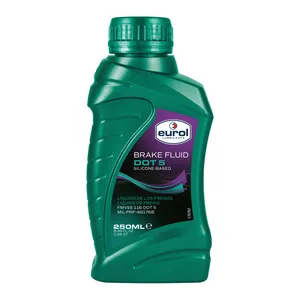
Choose brake fluid from the correct motorcycle manual and the installed brake system. Silicone DOT 5 and glycol-based DOT 4 must not be mixed; non-silicone DOT 5.1 is a separate specification despite the similar name. A changed reservoir cap or an unknown modification history can make a label alone insufficient, so resolve conflicting information before topping up.
Follow the motorcycle's fluid inspection and replacement schedule. Keep the specified fluid in its original, tightly closed container and follow its storage instructions. An unknown-age opened bottle is not equivalent to fresh fluid, and changing fluid does not by itself diagnose a weak, leaking or dragging brake.
For threadlockers, match the specified product and strength to the fastener, materials and service instructions. Colour is only a guide within a manufacturer's range: higher strength is not automatically better, and removal requirements differ. Choose grease for the named lubrication point and follow its service schedule rather than applying one seasonal rule to every cable, bearing and pivot.
Separate washing, light detailing, paint correction and trim cleaning. A gloss-enhancing polish or scratch treatment is not the right default for matte Denim paint. Use a cleaner identified for that finish and avoid polishing it; Harley-Davidson's Denim cleaner is designed to clean without buffing. Metal, coated paint, clear plastics and seat coverings may need different products. The films below explain the surface roles of the four matched cleaning products.
Choose the oil specified for the exact model, engine and compartment in the motorcycle manual, checking viscosity and the lubricant's stated applications. H-D 360 and SYN3 are different product ranges; neither the brand name nor a synthetic label is a complete specification. Where the oil serves a wet clutch, verify that application too. A suitable multi-purpose lubricant can cover more than one compartment, but only where its product specification permits it.
Use the temperature and viscosity guidance for your exact model and year. UK winter weather does not by itself justify changing to 10W-40 or another lighter grade. If the manual allows a choice, select within those approved grades for the temperatures you expect; check any updated manufacturer guidance for the particular oil.
Follow the mileage and time limits in the correct model-year maintenance schedule, including any earlier service specified for your riding conditions. Engine oil, primary lubricant and transmission lubricant can have different intervals. Record which fluid was changed and when, and use the service refill quantity and procedure for that compartment.
Read the full guide: Harley-Davidson Maintenance & Service Guide →
Free UK Delivery
On orders over £100
14-Day Returns
Easy & hassle-free
Authorised Dealer
Iron City Motorcycles
Secure Payment
256-bit encryption
You appear to be browsing from the UK.
Same parts, same prices in £, on ironstable.co.uk.
It looks like you're in Europe
Would you like to view prices in €?