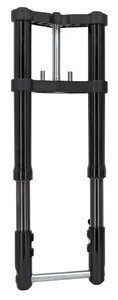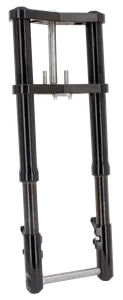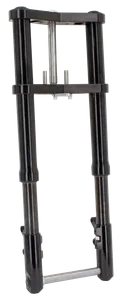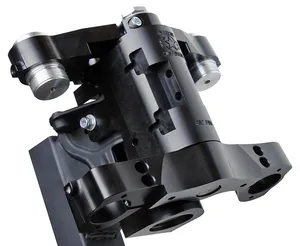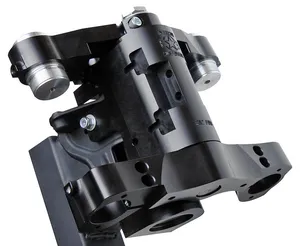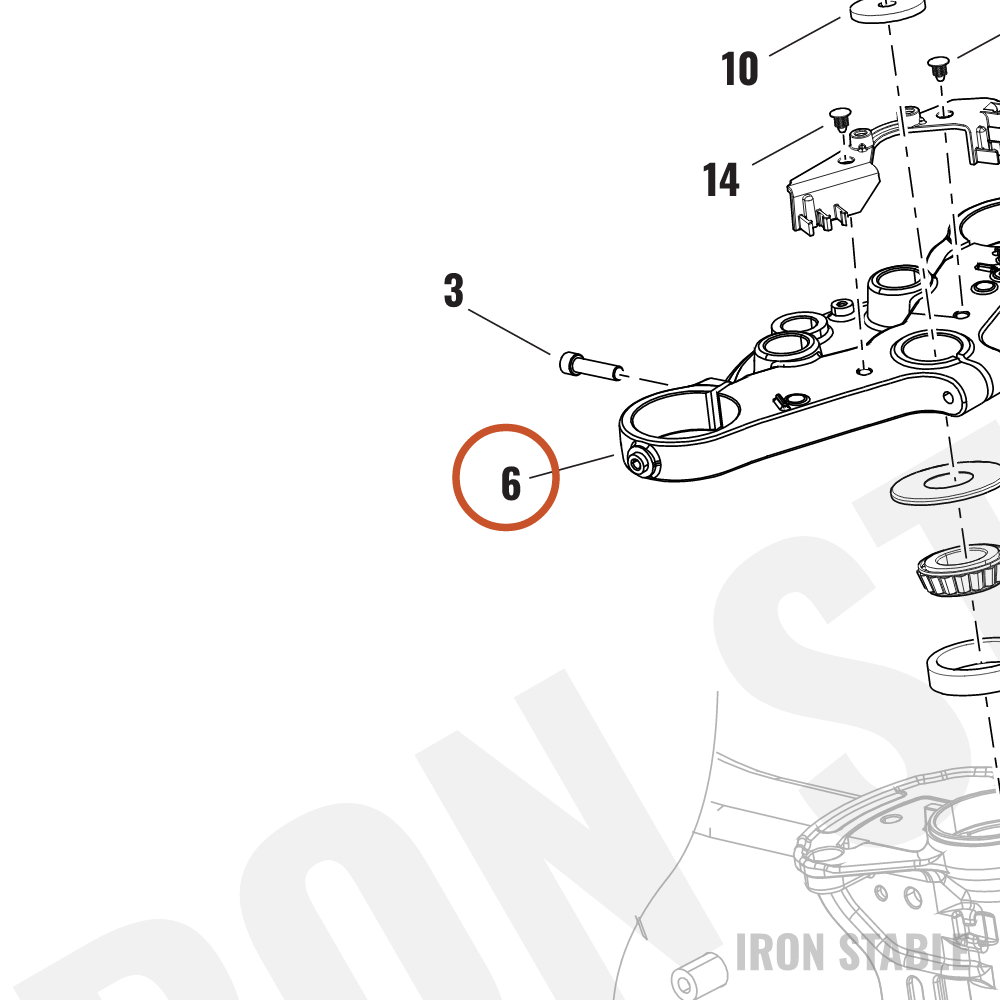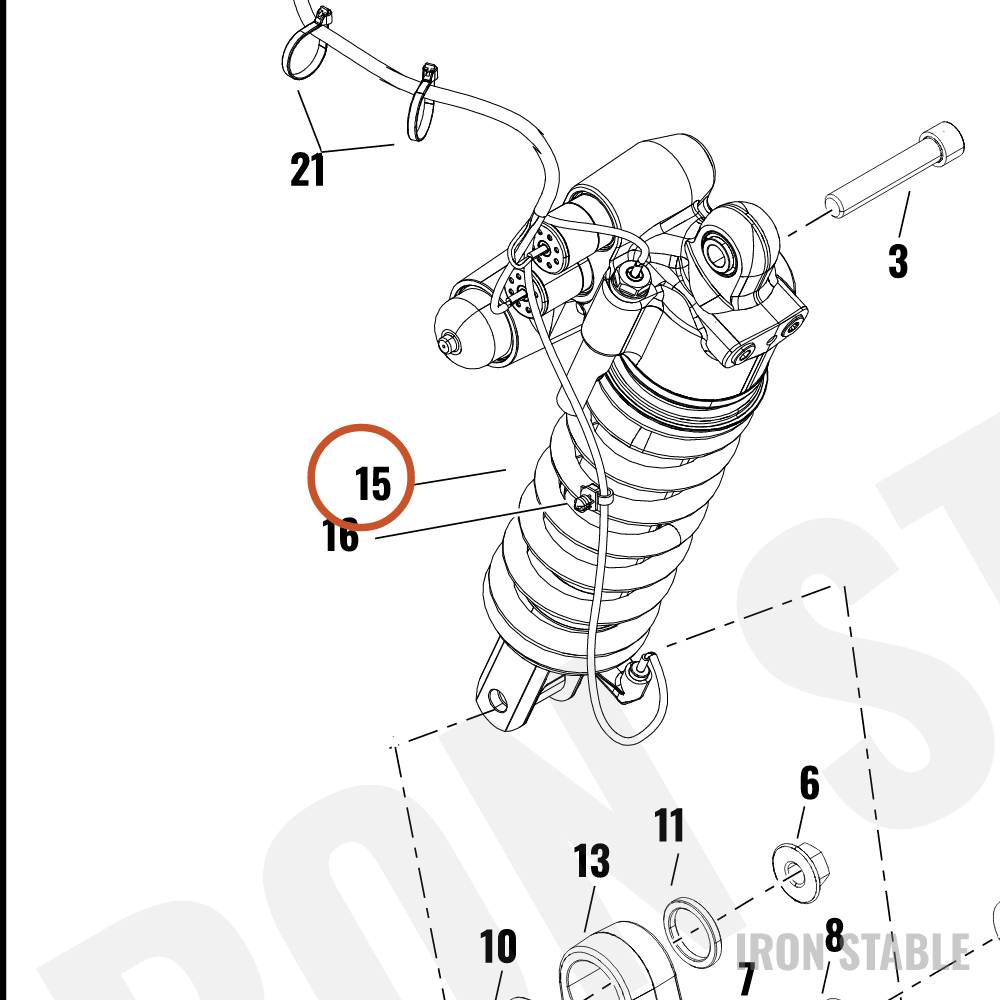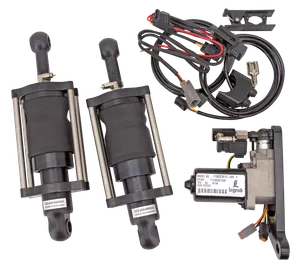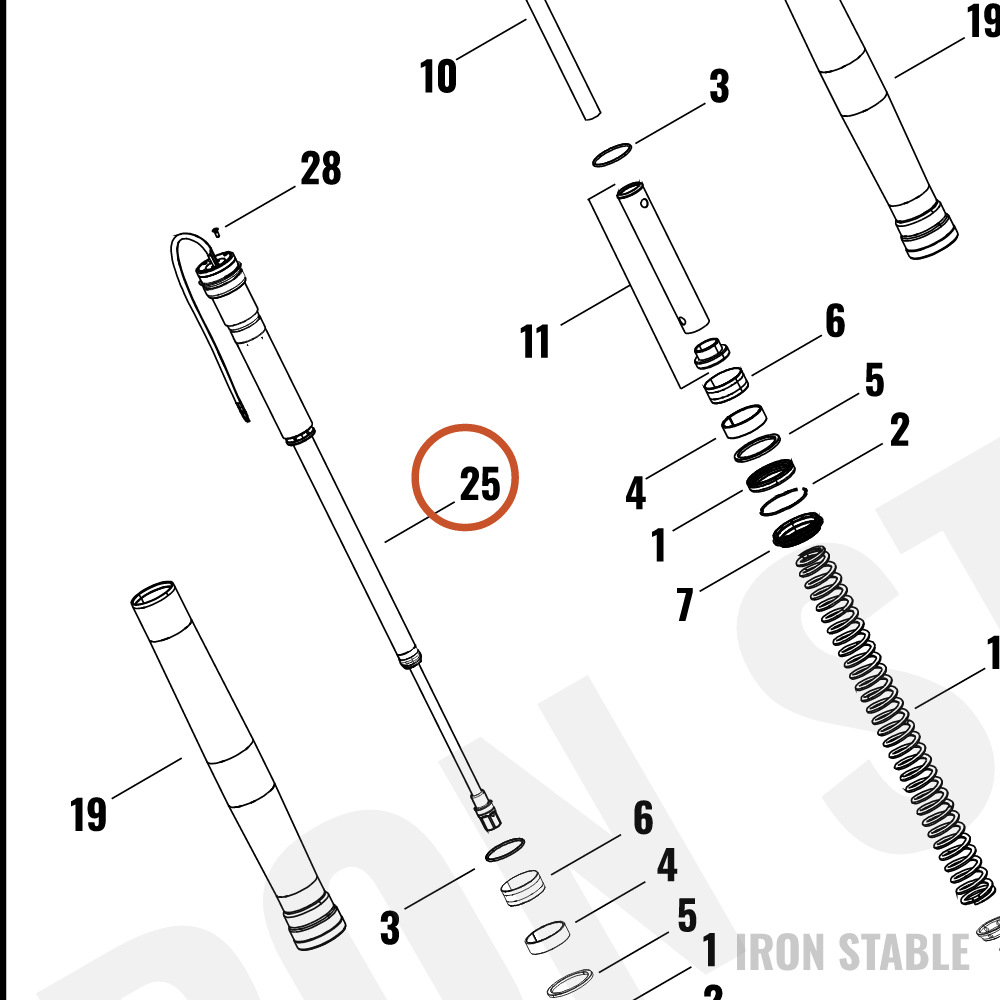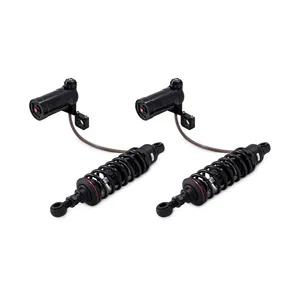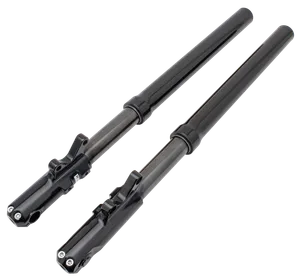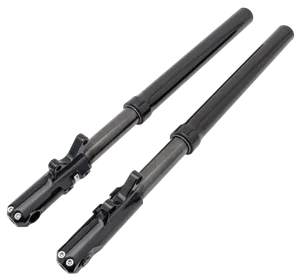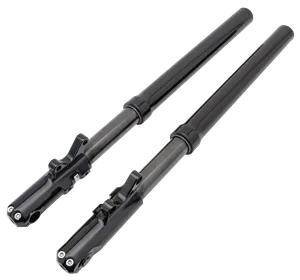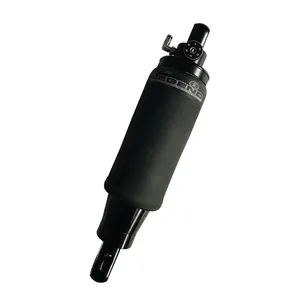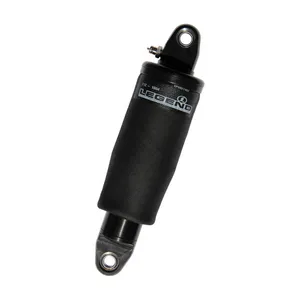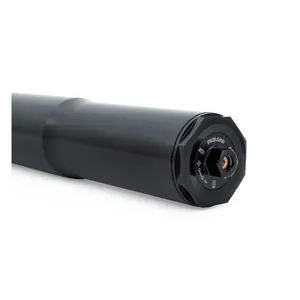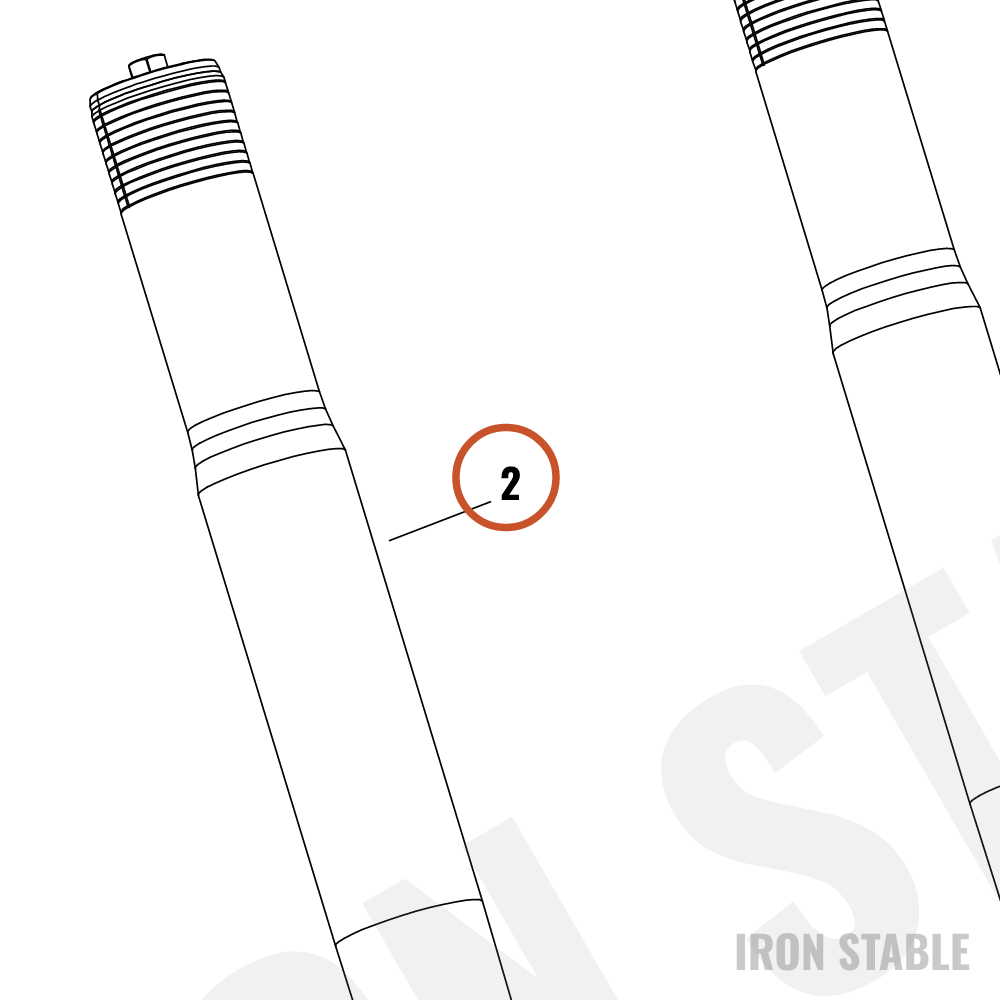
Sub-Assembly, Fork, Rh, 131rr
Harley-Davidson
#45400452
£9389.78£8450.80
Member£7981.31-15%
3,101 products
Start with the motorcycle, the suspension already fitted and how you use it. Compare suitable parts for your riding load and the adjustments you want, then check the complete installation requirements.
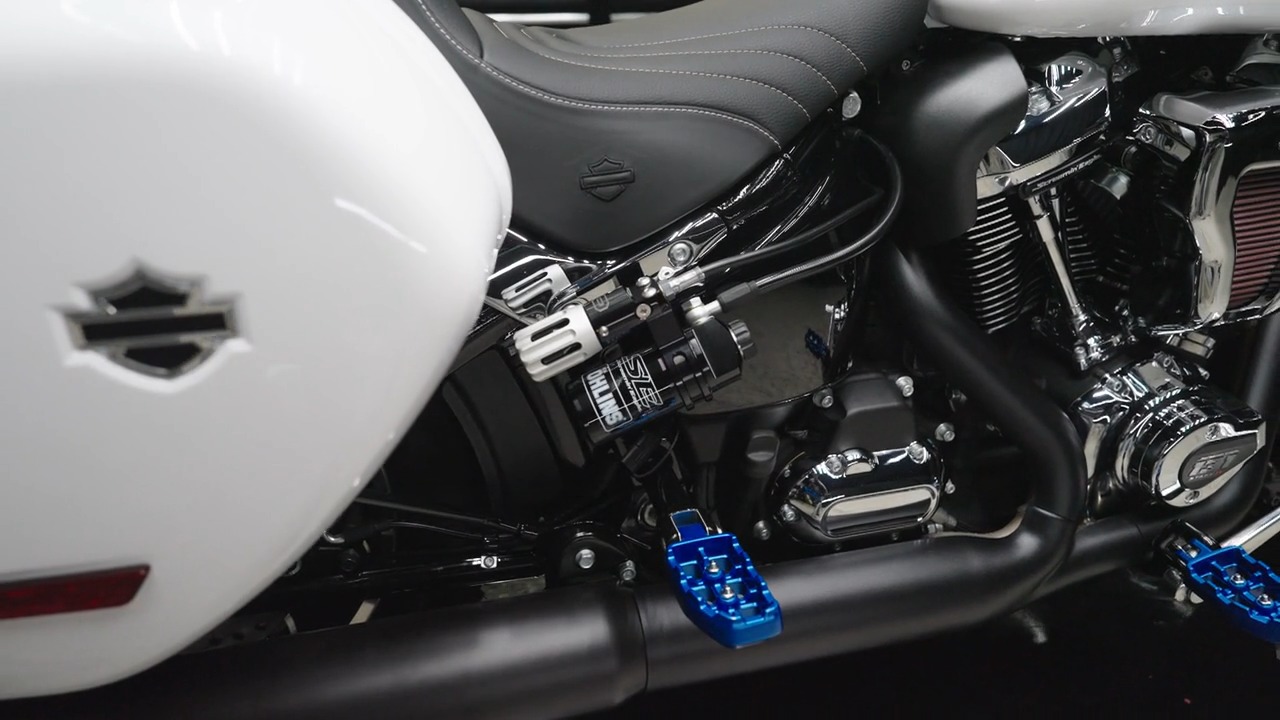
Watch the Öhlins suspension film

Or enter a custom range
Showing 1–48 of 3,101 SUSPENSION/FORK
Harley-Davidson
Start with the motorcycle, the suspension already fitted and how you use it. Compare suitable parts for your riding load and the adjustments you want, then check the complete installation requirements.
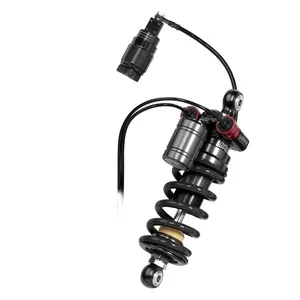
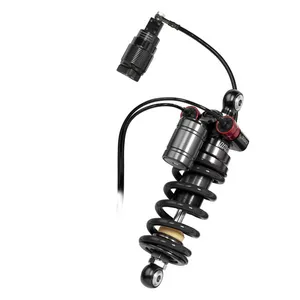
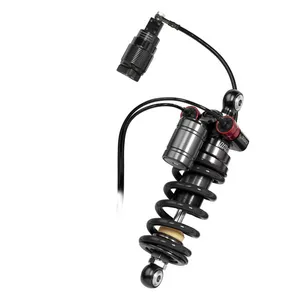
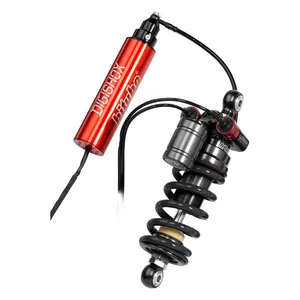
See how the Screamin’ Eagle / Öhlins remote-reservoir shock brings together spring preload, compression and rebound adjustment. This Harley-Davidson film follows part 54000384 for the specified 2025-on Softail models, with a closer look at its construction and serviceability. Its features belong to this exact rear shock; the wider range also includes other shocks, fork parts and service components.
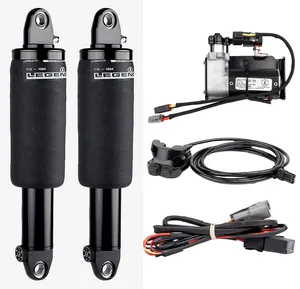
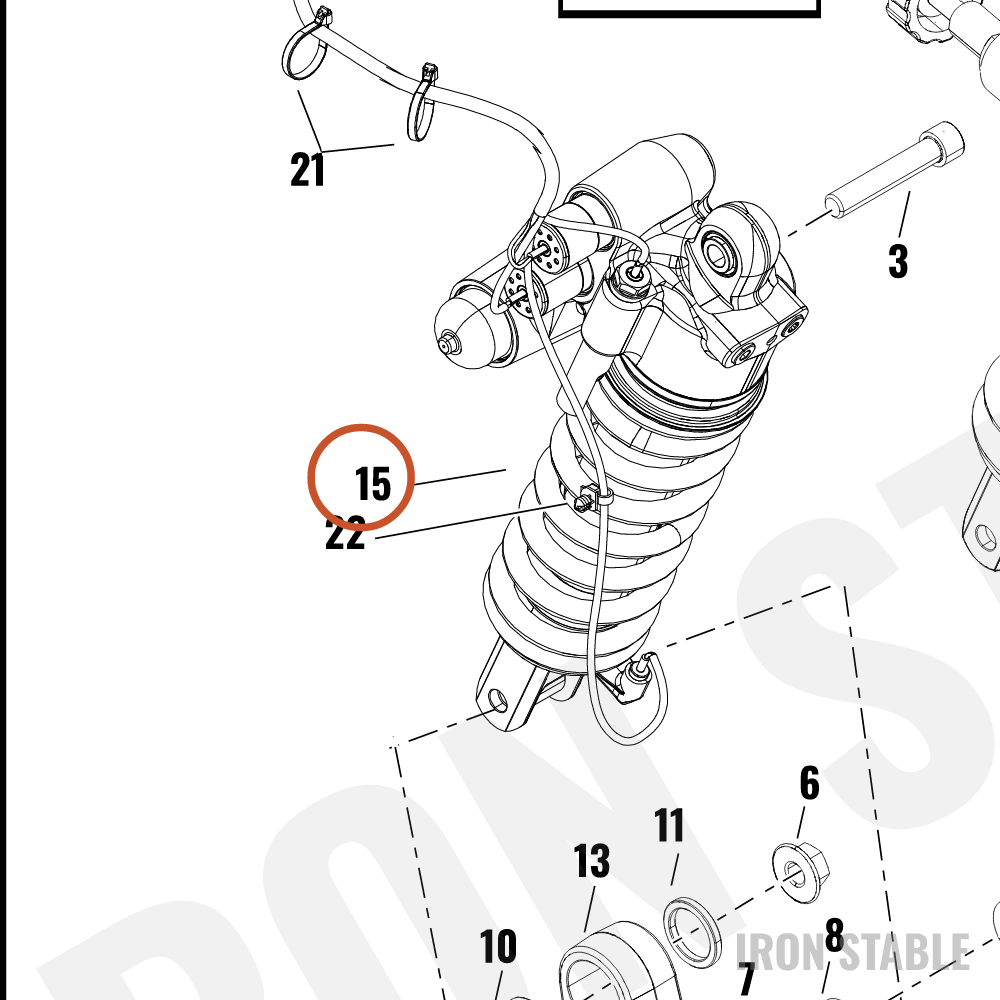
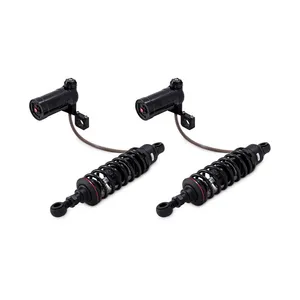
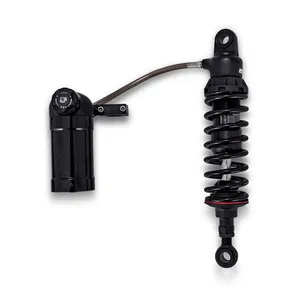
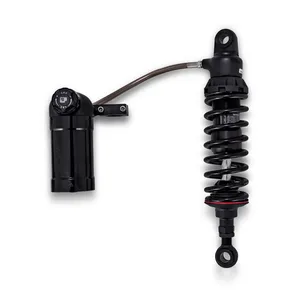
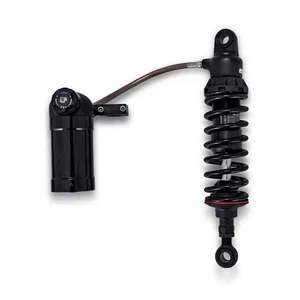
The Screamin’ Eagle / Öhlins rear suspension, part 54000384, is a monotube coilover shock with a separate reservoir. Harley-Davidson presents it as a handling and ride-quality upgrade developed with Öhlins for the more demanding Softail rider. Its exposed reservoir and adjusters also give the installation a distinctive appearance. The useful difference is that spring preload, compression damping and rebound damping can each be adjusted, rather than treating every change in load or riding preference as the same setting.
Preload sets the suspension’s sag to suit the weight of the rider, passenger and luggage, using an external adjuster. Compression damping is adjusted at the remote reservoir; rebound damping is adjusted at the bottom of the shock body. The product listing confirms that all three adjustments are tool-free. This gives you separate ways to set the loaded position and fine-tune the shock’s response. The film explains their roles and locations, but supplies no sag target, click settings or load limit for your motorcycle.
Inside are a 46 mm piston and precision CNC-machined, hard-anodised components. H-D describes the high-pressure nitrogen charge as helping the shock resist heat-related damping fade, with a low-friction seal-head design for smooth operation. The exact listing also identifies the low-friction shaft/seal-head arrangement. These are the manufacturer’s construction and performance claims, not a promise that damping can never fade or a measured comparison with your original shock.
H-D states that this unit is fully serviceable and repairable through Öhlins, giving it a maintenance route beyond replacement of the complete shock. That statement does not specify free repairs or a warranty term. The exact product record is for 2025-on Softail models; the film’s broader closing reference to 2025-on Harley-Davidsons should not be read as fitment for every family. Use the matching product below to confirm the motorcycle and installation details.
Choose rear shocks by the exact model, year and product application. Length, spring specification and mounting arrangement all matter; a familiar dimension or a shared Softail, Touring or Sportster name does not establish fitment. Include any existing suspension or chassis modifications when checking a replacement.
For a change in ride height, read the kit’s compatibility and clearance requirements before buying. A lowering kit can alter ground clearance and handling, and may exclude particular shocks or models. Choose the complete approved combination rather than adding a lowering part to an unknown setup.
Preload, compression damping and rebound damping do different jobs. Preload helps establish the loaded suspension position; compression and rebound adjustments control its response as it compresses and extends. Check which adjustments the exact shock offers and whether you can reach them with your luggage and accessories fitted.
Consider rider, passenger and luggage together when selecting the spring and following the suspension maker’s setup guidance. Use the targets and limits for that motorcycle and component. A generic sag percentage or extra preload is not a substitute for a suitable spring and correctly specified suspension.
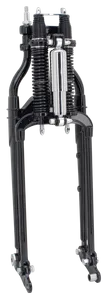
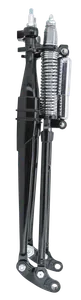
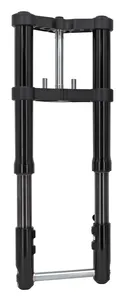
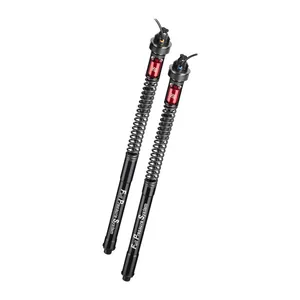
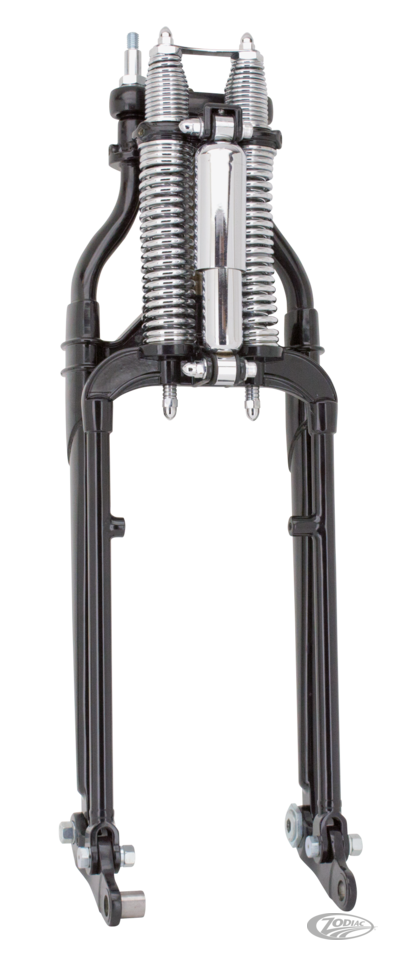
Identify the fork as well as the motorcycle before choosing springs, cartridges, seals or tubes. Tube diameter is one specification; the exact application and internal design also matter. Check whether a kit is intended for original forks, what it replaces and which parts must be reused or bought separately.
Use the oil type and level specified for the fitted fork or replacement kit. Thicker oil is not a general cure for rough roads: Progressive Suspension notes that excessive viscosity can make sharp bumps harsher. If the fork leaks or works poorly, have its condition assessed before selecting upgrade parts.
Compare exact part numbers approved for your motorcycle, their spring options, intended load and available adjustments. Include the passenger and luggage in that comparison. A 13-inch length or an adjustable-preload label alone does not establish better damping or comfort; use the manufacturer’s specifications and setup guidance for each candidate.
A recurring oil leak or a change in fork operation needs inspection. Harley-Davidson advises having a poorly operating or significantly leaking fork checked; low oil can impair rebound action. Have the cause and the condition of the fork assessed before ordering seals or upgrade parts.
Use the type and fill specification for the exact model, year and fitted fork. If a spring or cartridge kit has been installed, check its instructions too. There is no single oil recommendation for every Touring front end, and heavier oil is not automatically better for passenger loads or UK roads.
Free UK Delivery
On orders over £100
14-Day Returns
Easy & hassle-free
Authorised Dealer
Iron City Motorcycles
Secure Payment
256-bit encryption
You appear to be browsing from the UK.
Same parts, same prices in £, on ironstable.co.uk.
It looks like you're in Europe
Would you like to view prices in €?