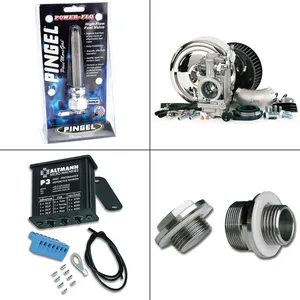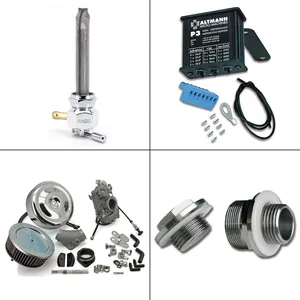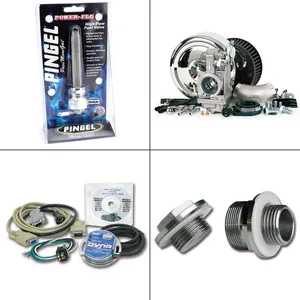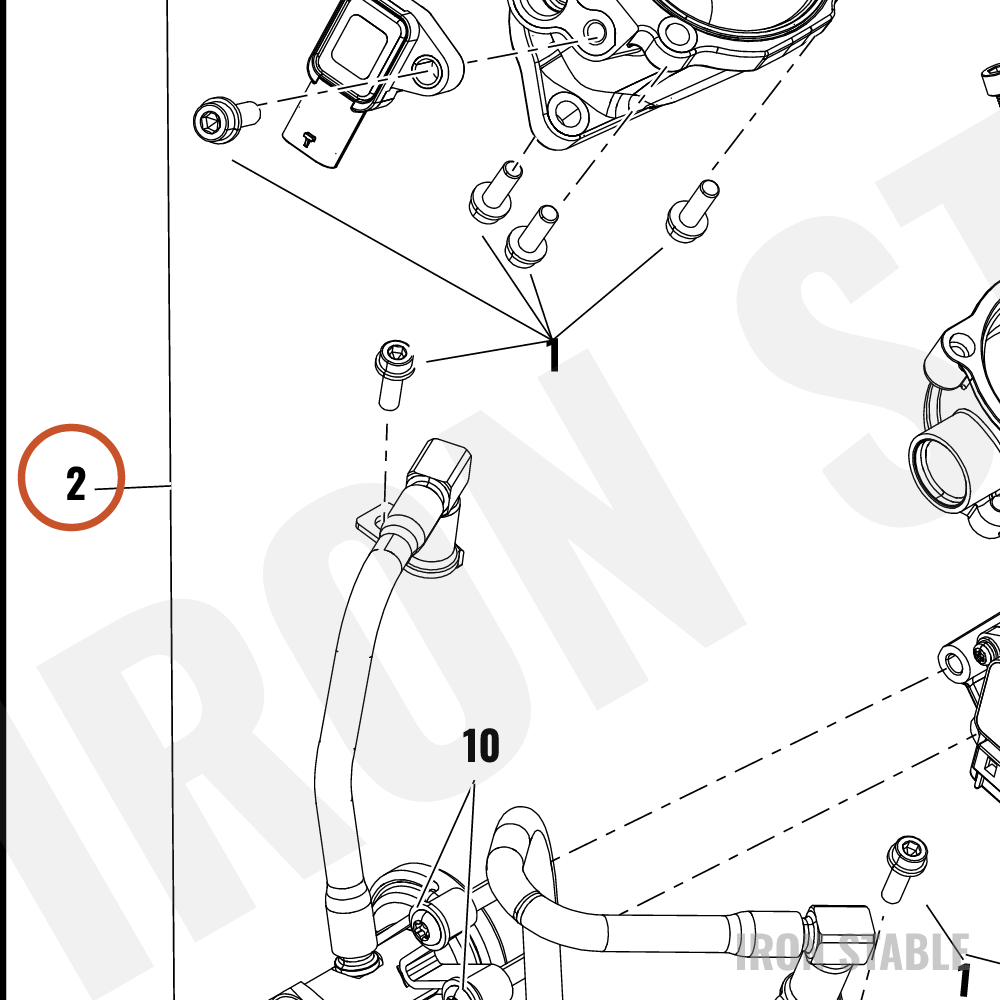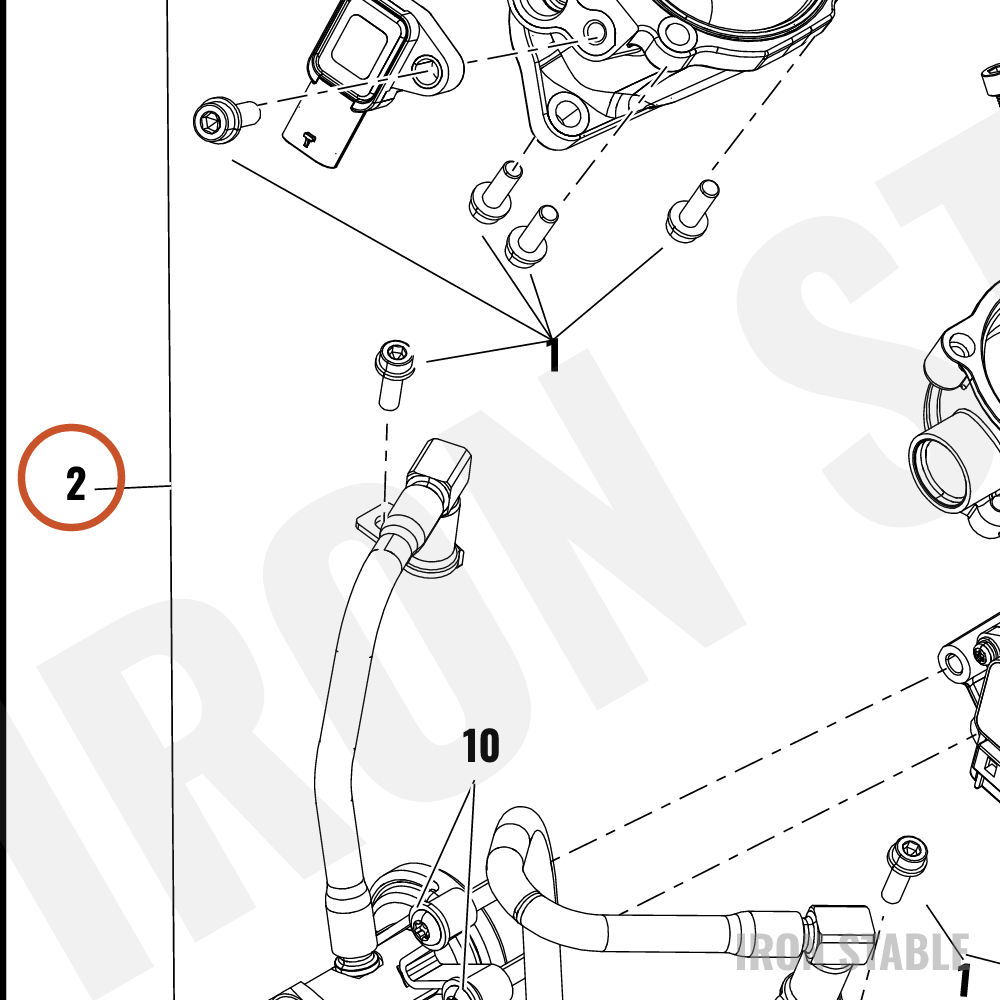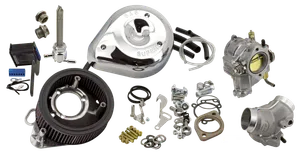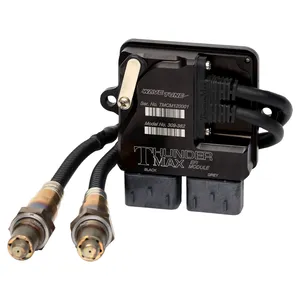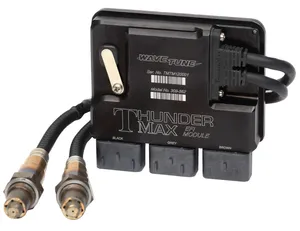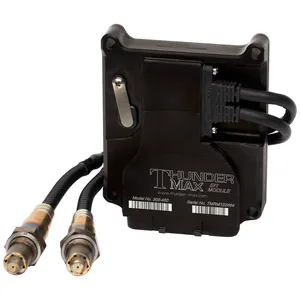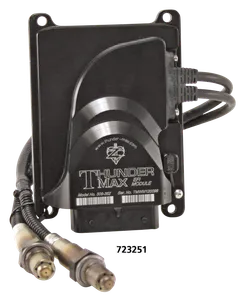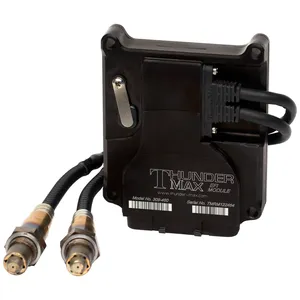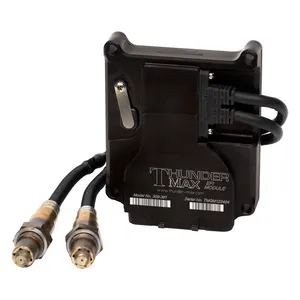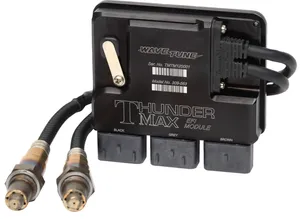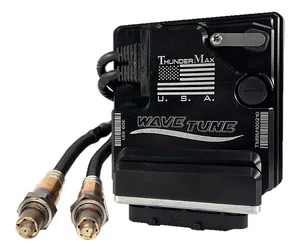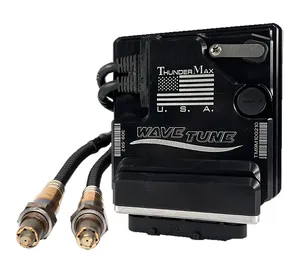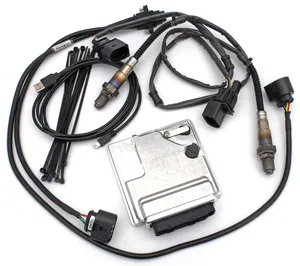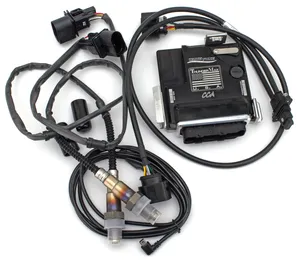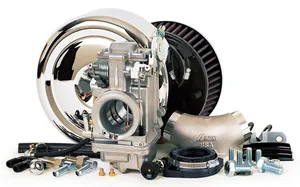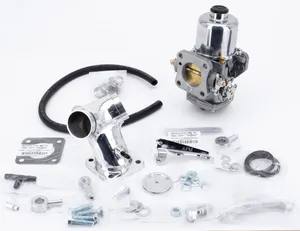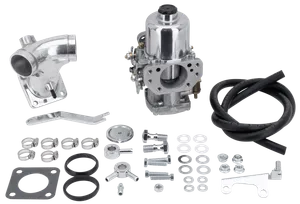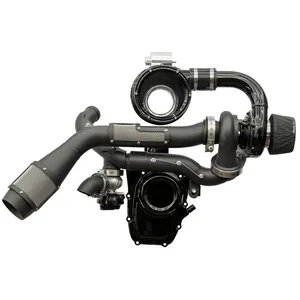
Trask, Assault Turbo Stage 2. Black
Trask Performance
#719557
€9247,99€8323,99
Membre€7860,99-15%
3 659 produits
Kits d'admission Stage 1, filtres à air de rechange, cornets d'aspiration, éléments filtrants et kits de reniflard Arlen Ness, K&N et Performance Machine. Couvre Sportster, Softail, Dyna et Touring sur plateformes Evo, Twin Cam et Milwaukee-Eight — incluant les configurations à accélérateur électronique sur les modèles récents. Si vous jumelez une admission avec un nouvel échappement, réglez les deux avant de reprogrammer.

Or enter a custom range
Affichage de 1–48 sur 3 659 INTAKE
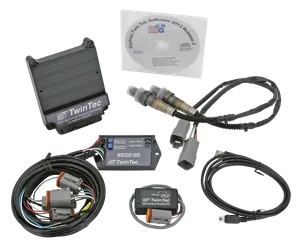
Daytona Twin Tec
#742038
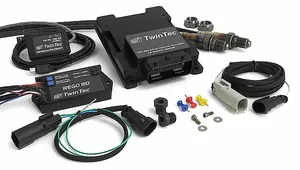
Daytona Twin Tec
#722986
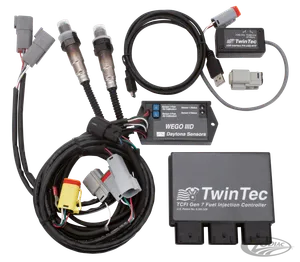
Daytona Twin Tec
#722987
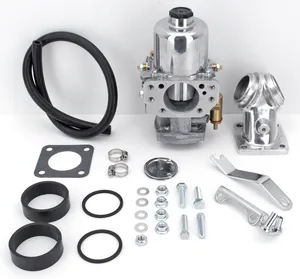
American Prime Manufacturing
#761036
This section runs the whole history of Harley breathing: washable elements that drop into the stock airbox, Stage 1 kits that bin it, and a deep carburettor archive for everything built before 2007.
Stage 1 means opening intake and exhaust together with the fuelling corrected to match. The part most listings gloss over: Harley's own Screamin' Eagle Stage 1 instruction sheet requires ECM recalibration with the kit, warning that skipping it "can result in severe engine damage" — the factory calibration is already lean for emissions, and freer breathing leans it further. So build the job as a package: air cleaner, exhaust and tuning priced together, not an intake bolted on in hope. The dyno finding that surprises everyone: back-to-back tests of the big-name high-flow cleaners on the same tuned M8 landed within about one horsepower of each other. Once the restrictive stock assembly is gone and the tune is right, choose on looks, filtration and serviceability — the power difference between quality brands is a rounding error.
Big open elements — Arlen Ness Big Suckers, Heavy Breather styles — trade the airbox for a filter out in the weather, and in Britain that means the rain question. Hard rain can wet an exposed element enough to make the engine stumble; the rain sock exists for exactly this, riders who fit one tend to leave it on year-round, and no one can measure the difference on a dyno. S&S's Stealth line is the other answer: high-flow internals hidden behind the stock-style cover, for riders who want the airflow without the exposed-filter look or the weather worry.
On Milwaukee-Eights, an oil-damp filter is usually not the filter's fault: the crankcase vents through the head breathers straight into the air cleaner, and high-mileage or overfilled engines carry oil with it. Check the oil level first, then the breather parts — a catch-can arrangement is the tidy cure for a persistent offender. A washable element that has been repeatedly oil-soaked eventually stops coming clean; that is when it is a consumable.
A washable cotton element costs more than paper once and less than paper forever: K&N's published guidance is tens of thousands of miles between cleans in normal road use — inspect yearly, clean when the mesh disappears under dirt, re-oil lightly with the proper kit and let it dry fully. The mistake to avoid is over-oiling, which just feeds the breather-mess suspicion above.
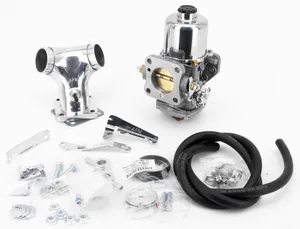
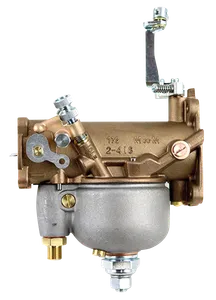
Every Harley before 2007 breathed through a carburettor, and this section keeps that world running: rebuild kits and jets for the CV carb that fed a generation of Evos and Twin Cams, plus Keihin, Mikuni, S&S and even Linkert and Bendix replacement parts for the machines before that. A carb-era bike that surges, pops on decel or fouls plugs usually wants a cheap rebuild kit and an afternoon, not a new carburettor — and if the float bowl fills with rust, the real problem is upstream in the tank, not here.
Les admissions à haut débit comme le Screamin' Eagle Heavy Breather ou l'Arlen Ness Method sont les choix courants sur Milwaukee-Eight. Quel que soit le modèle retenu, l'admission ne donne son gain qu'associée à un échappement plus libre et à une reprogrammation de l'ECM — montée seule, elle rend surtout la moto plus bruyante à l'admission. Voir le guide Stage 1 pour la combinaison complète.
Si vous ne montez que l'admission et rien d'autre, la cartographie d'origine s'en accommode généralement, mais vous laissez du gain de côté. Une admission haut débit est conçue comme un tiers du Stage 1 — admission, échappement et reprogrammation ensemble — où c'est la reprogrammation qui rend ce débit d'air supplémentaire sûr et utile.
Le dégagement varie selon le modèle. Les grandes conceptions rondes comme le Heavy Breather sont très saillantes et peuvent toucher le genou du pilote ou les sabots de carénage sur certaines Touring, tandis que les modèles plus fins restent plus près du moteur. Vérifiez l'admission concernée pour votre modèle avant l'achat — ou demandez-nous, nous en montons chaque semaine.
Frais de port réduits
Dès 150 € d'achat
Retours sous 14 jours
Simple et sans tracas
Concessionnaire agréé
Iron City Motorcycles
Paiement sécurisé
Chiffrement 256 bits
Il semble que vous soyez en Europe
Souhaitez-vous afficher les prix en € ?