Factory Performance Since 1983
What Are Screamin' Eagle Parts?
For a Screamin’ Eagle upgrade, start with the Low Rider S customiser and choose your model year.
Screamin' Eagle was born in 1983 inside Harley-Davidson's Custom Vehicle Operations division, the same engineering programme responsible for CVO flagship motorcycles. Over four decades, the brand has grown from a handful of bolt-on parts into a full factory performance catalogue — assembled at Harley-Davidson's Powertrain Operations facility in Milwaukee, Wisconsin, to the same tolerances as the original engine components that leave that plant every day. The NHRA Pro Stock Motorcycle programme and AMA Flat Track competition have both been powered by Screamin' Eagle-developed components, and the lessons learned on the strip and the dirt oval feed directly back into the road parts you can order today. Forty years of that competitive feedback loop sits behind every camshaft profile and every combustion chamber port in the SE catalogue.
You'll sometimes see the range written as Screaming Eagle — the correct name is Screamin' Eagle, the apostrophe marking a deliberate Harley-Davidson stylistic choice rather than a typo. They are the same product range. Whether you search for "Screaming Eagle air cleaner" or "Screamin' Eagle Heavy Breather", you're looking for exactly the same part.
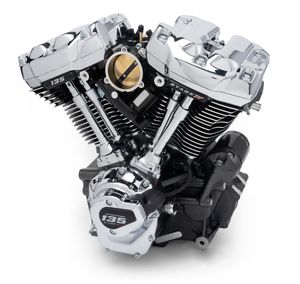
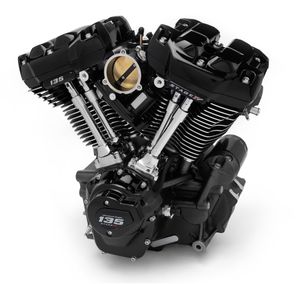
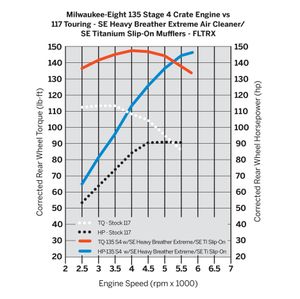
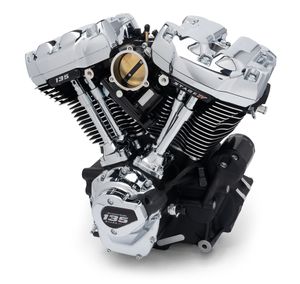
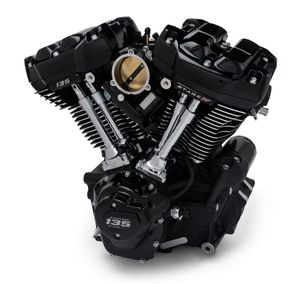
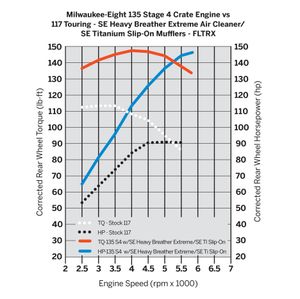
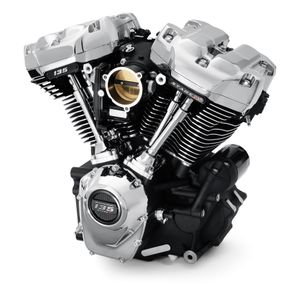
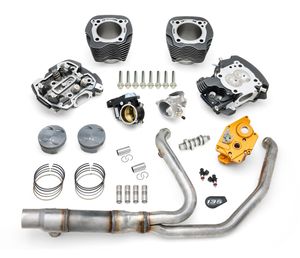
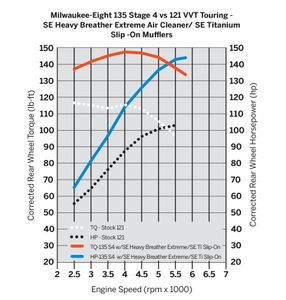
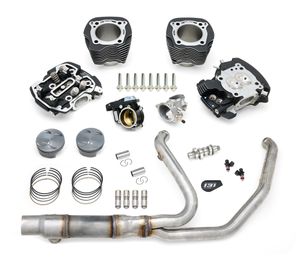
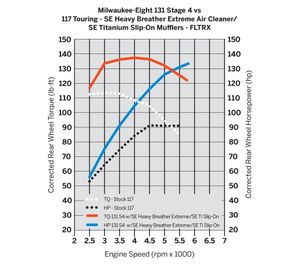
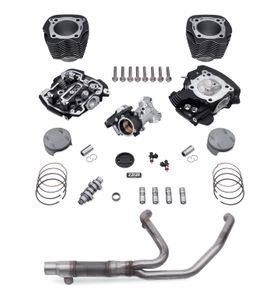
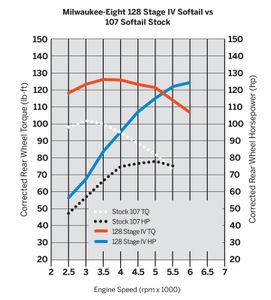
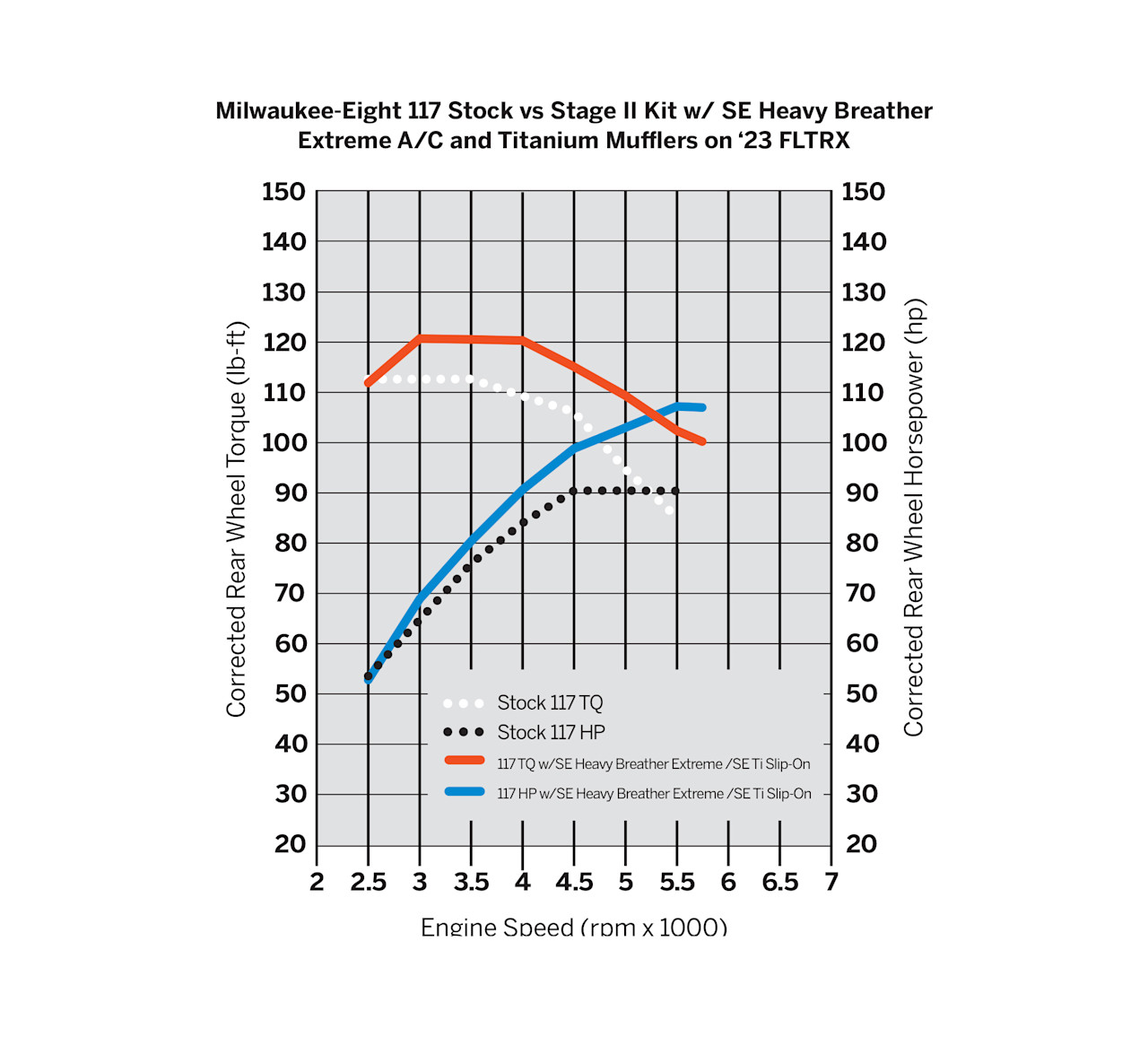
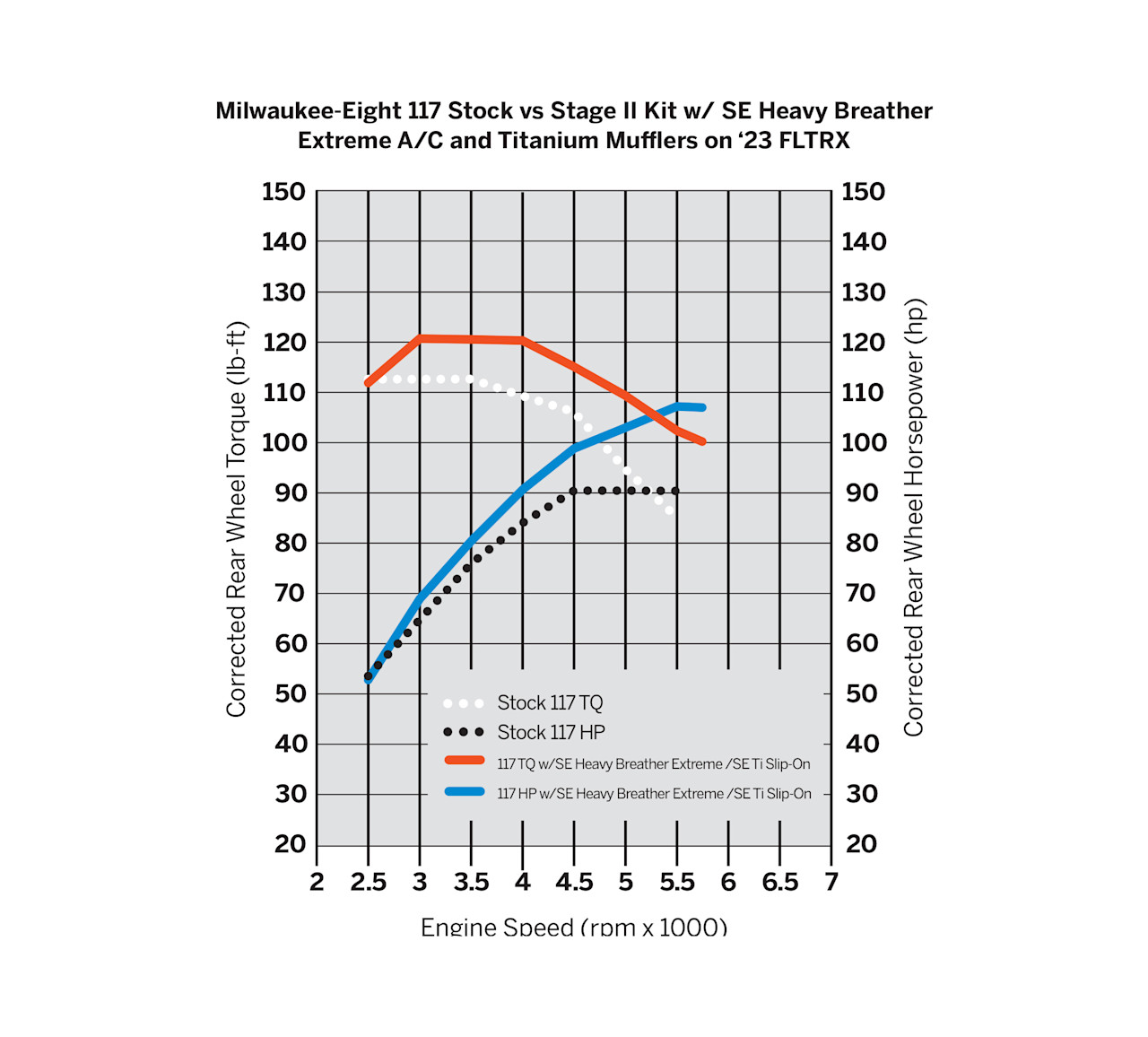
The four-stage system is worth understanding before you spend anything. Stage I is entirely bolt-on — a high-flow air cleaner and performance exhaust slip-ons, no machining, no ECM remap required (though recommended). You'll feel 5–8 hp and noticeably stronger pull from low revs; the 9:1 Stage I compression ratio runs happily on standard pump fuel. Stage II is where the bike's character really shifts: performance cams — SE-255 or SE-203 profiles — are added on top of the Stage I work, and the rev range opens up in a way that air and exhaust alone can't deliver. Budget 10–15 hp on top of Stage I gains, and plan for an ECM remap — it's not optional at this point. Stage III goes further still: larger-bore cylinders increase cubic inches, and you're looking at 15–25 hp over stock depending on the platform — not a tune, a different engine. Stage IV is the full factory build: CNC-ported heads, 68mm throttle body, high-lift cams, displacement taken to 131 or 135 ci. On a Milwaukee-Eight, that's 121 bhp and 149 ft-lb of torque. It changes what the bike is.
At Iron Stable, we stock the full Screamin' Eagle range as an authorised UK dealer, fulfilled from Leeds Harley-Davidson — a franchise dealer with decades of hands-on Harley experience. Every part is genuine, factory-boxed, and covered by Harley-Davidson's own warranty when dealer-installed. If you're building a commuter, a strip machine, or a full-fat touring bruiser, our team can help you navigate the stage ladder and find the right combination for your specific model year and engine.
Racing Heritage
Screamin' Eagle's motorsport credentials run deep. The programme's roots in NHRA drag racing established the engineering credibility that makes the road parts so trusted; the same performance principles that push a Pro Stock Motorcycle down a quarter-mile strip in under seven seconds are refined into street-legal camshaft profiles and ported cylinder heads. AHDRA (American Harley-Davidson Racing Association) competition history stretches back to the programme's founding, and the drag strip's unforgiving feedback loop — where thousandths of a second separate winning from losing — has shaped every generation of SE development. "Designed to Race. Engineered to Win." isn't marketing copy; it's an engineering philosophy with more than forty years of competitive results behind it.
Sound & Power
Screamin' Eagle Performance Exhaust Systems
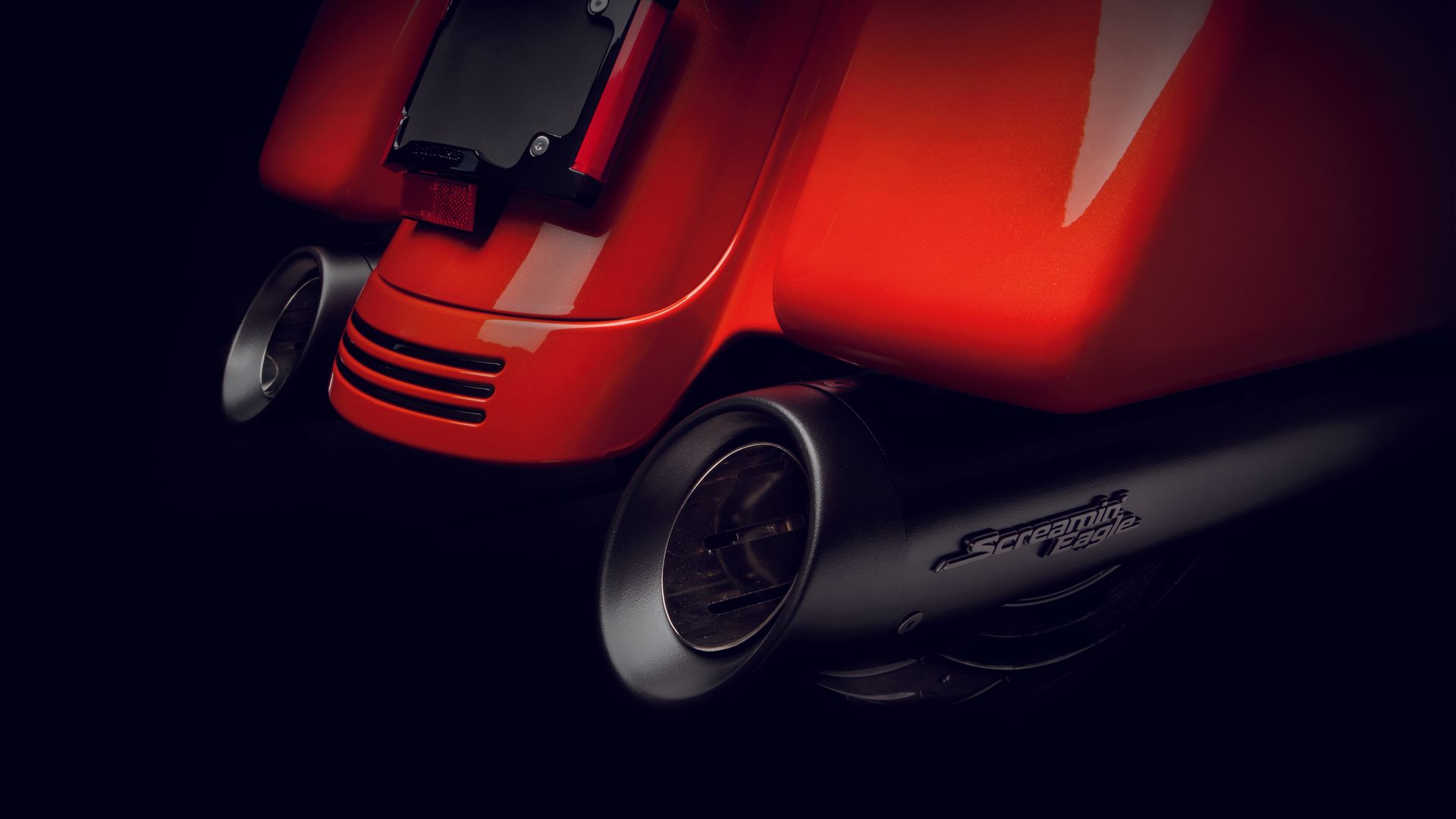
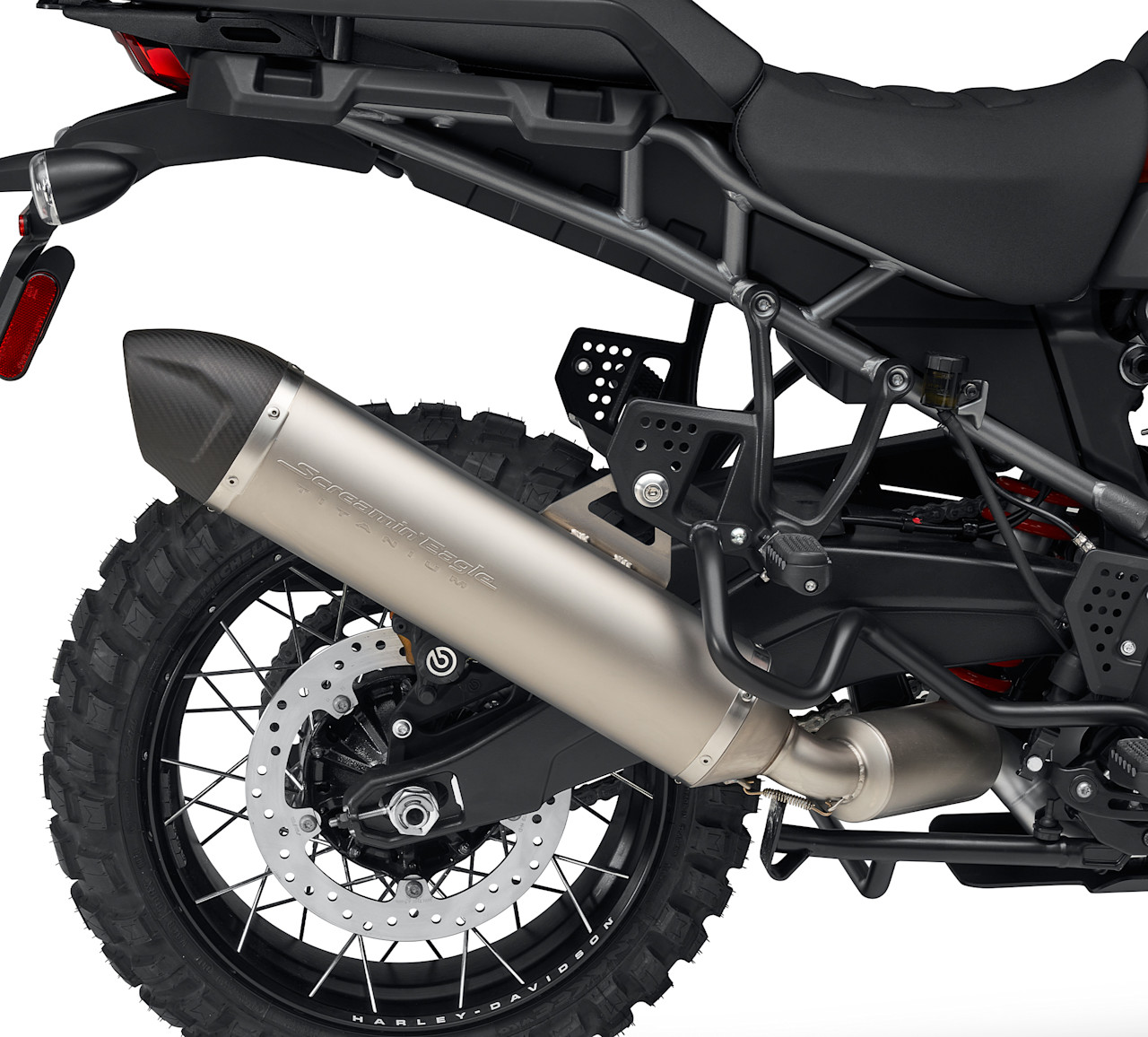
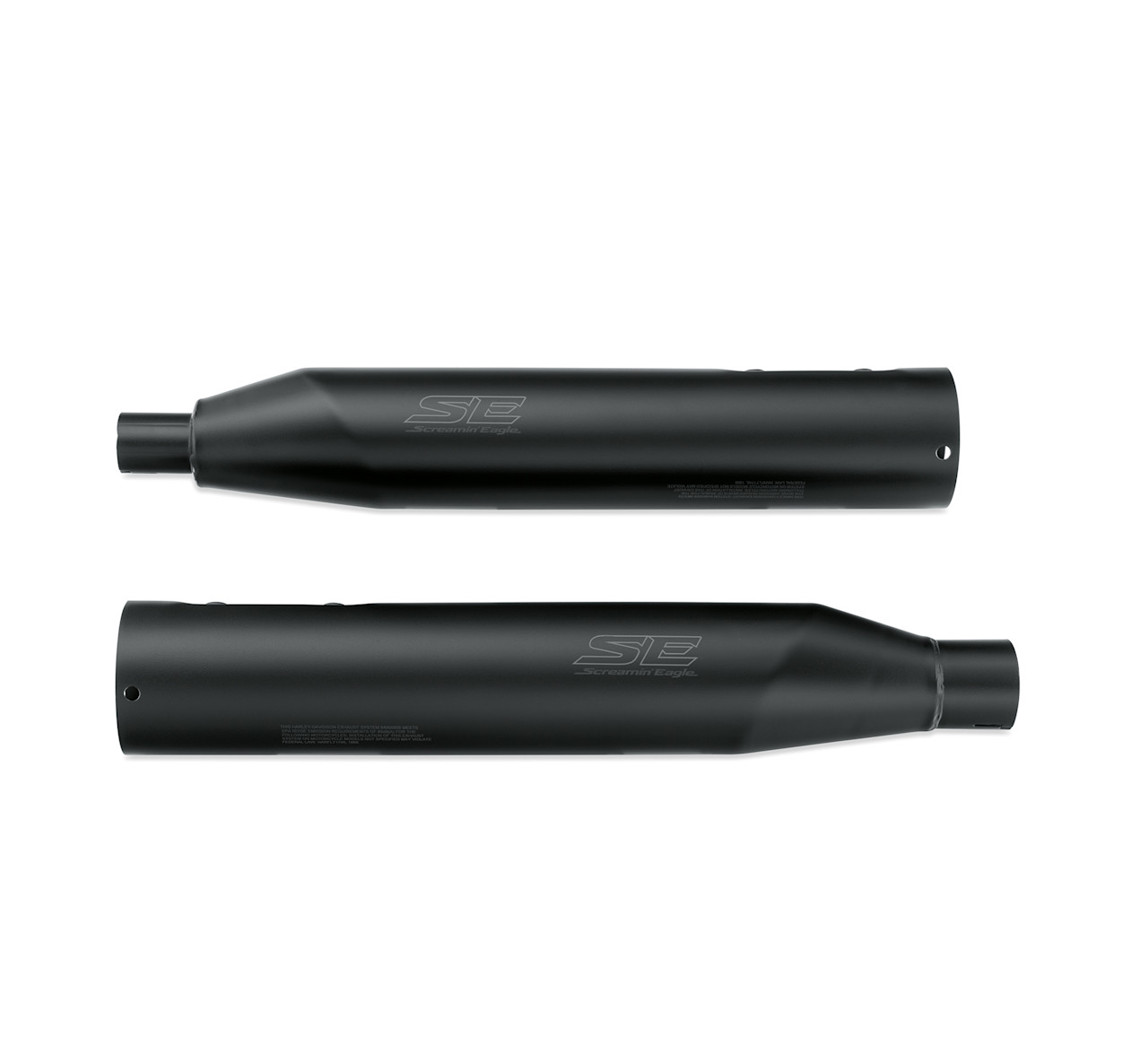
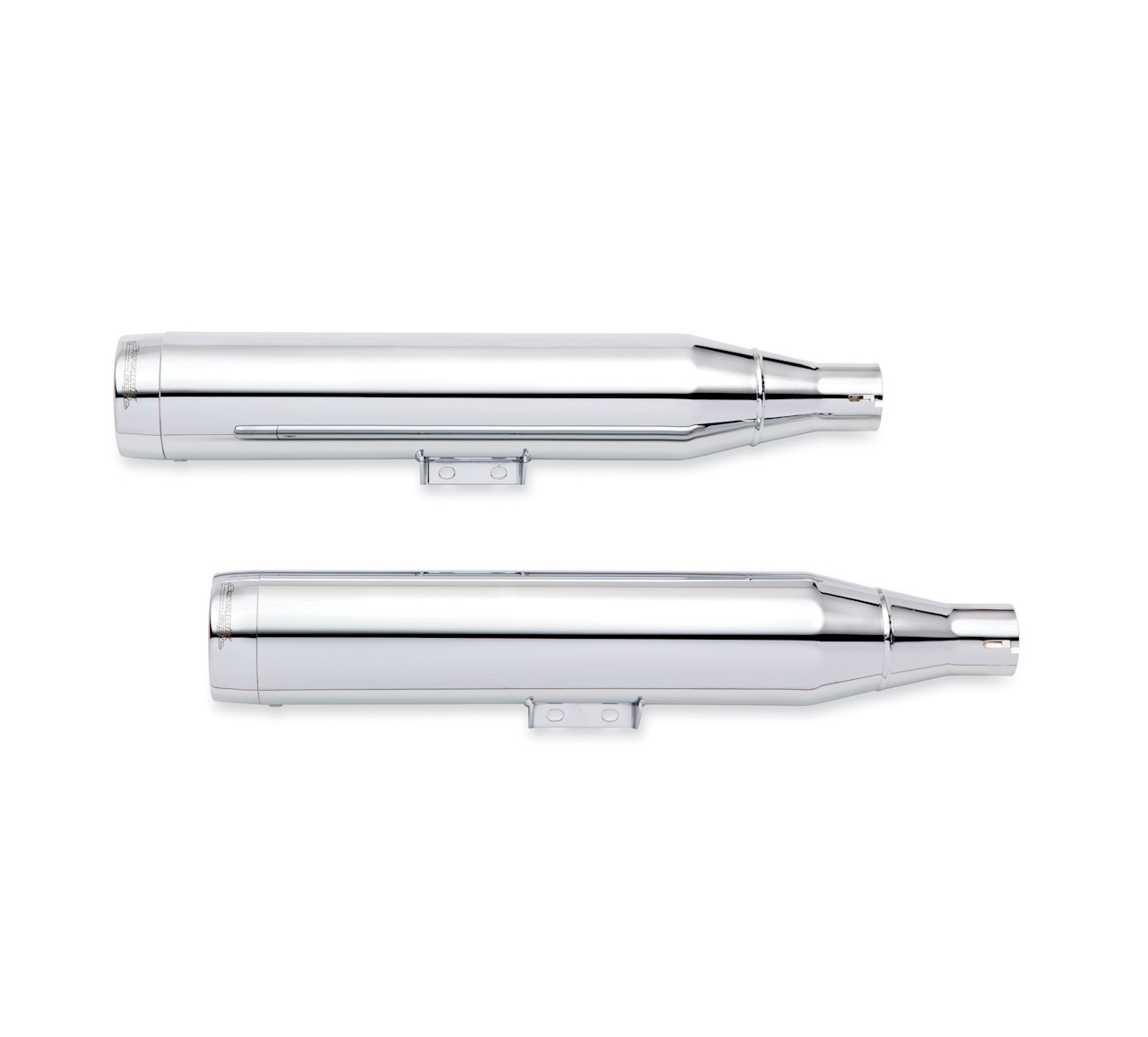
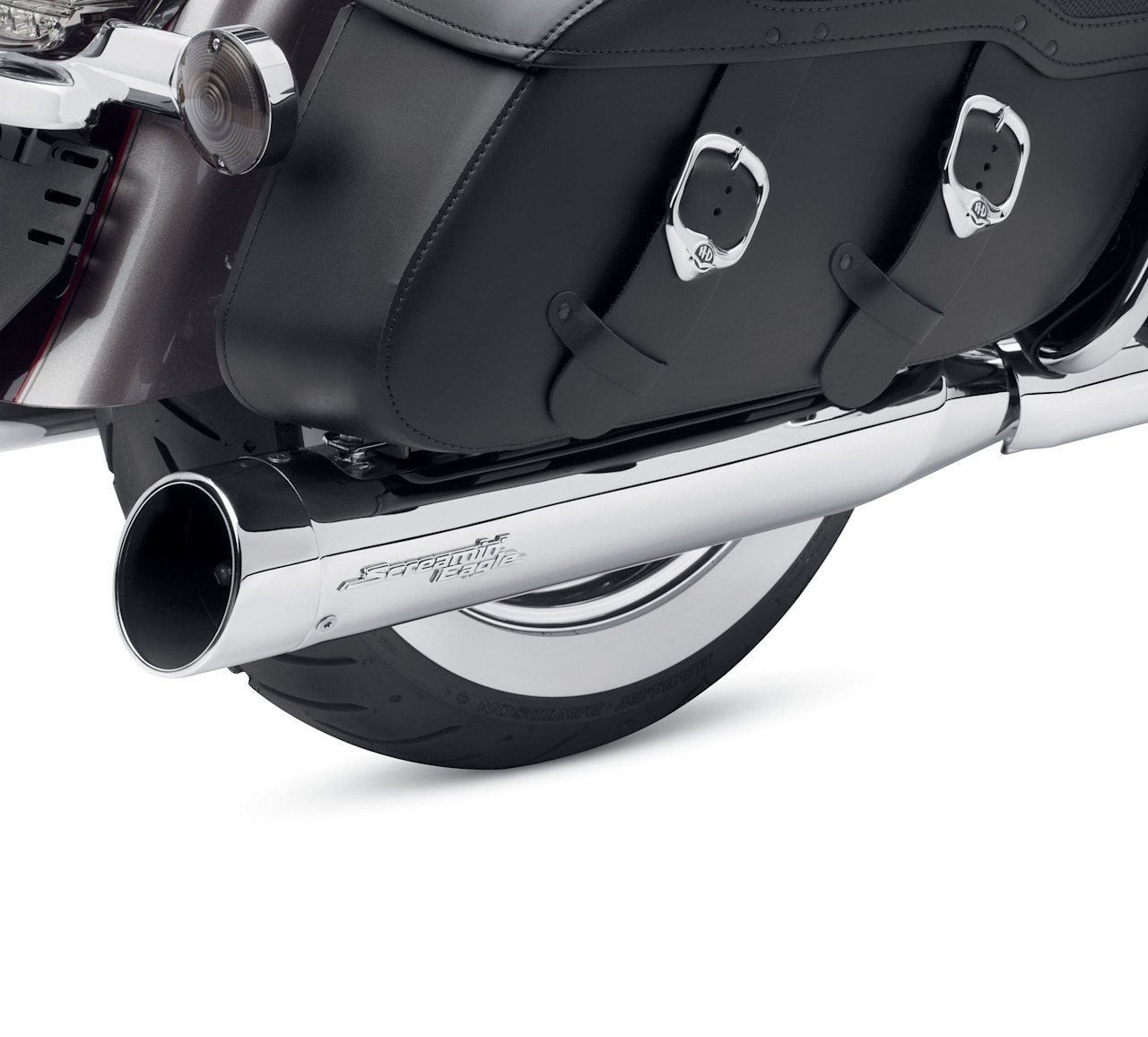
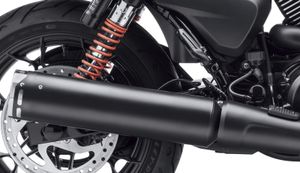
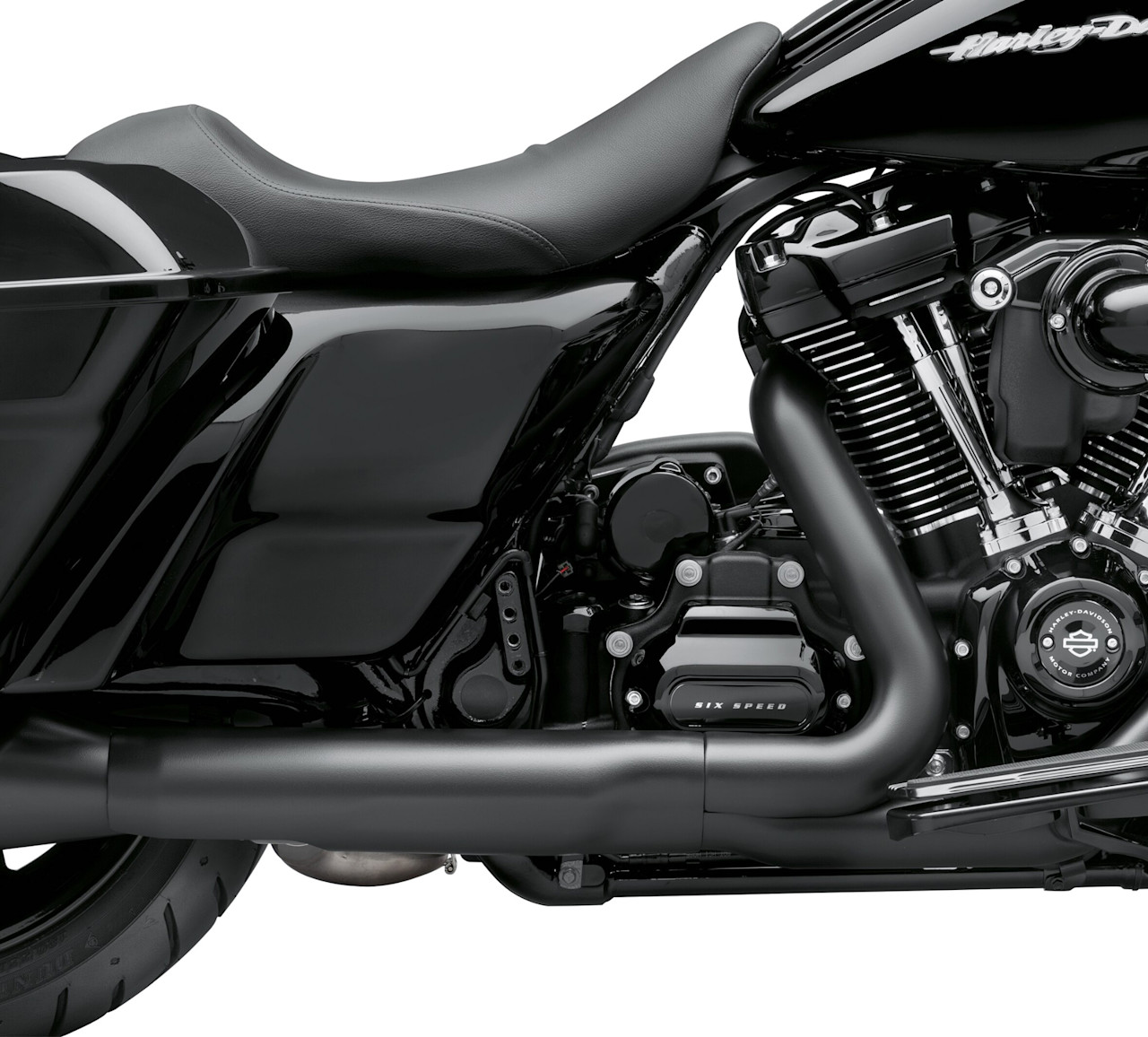
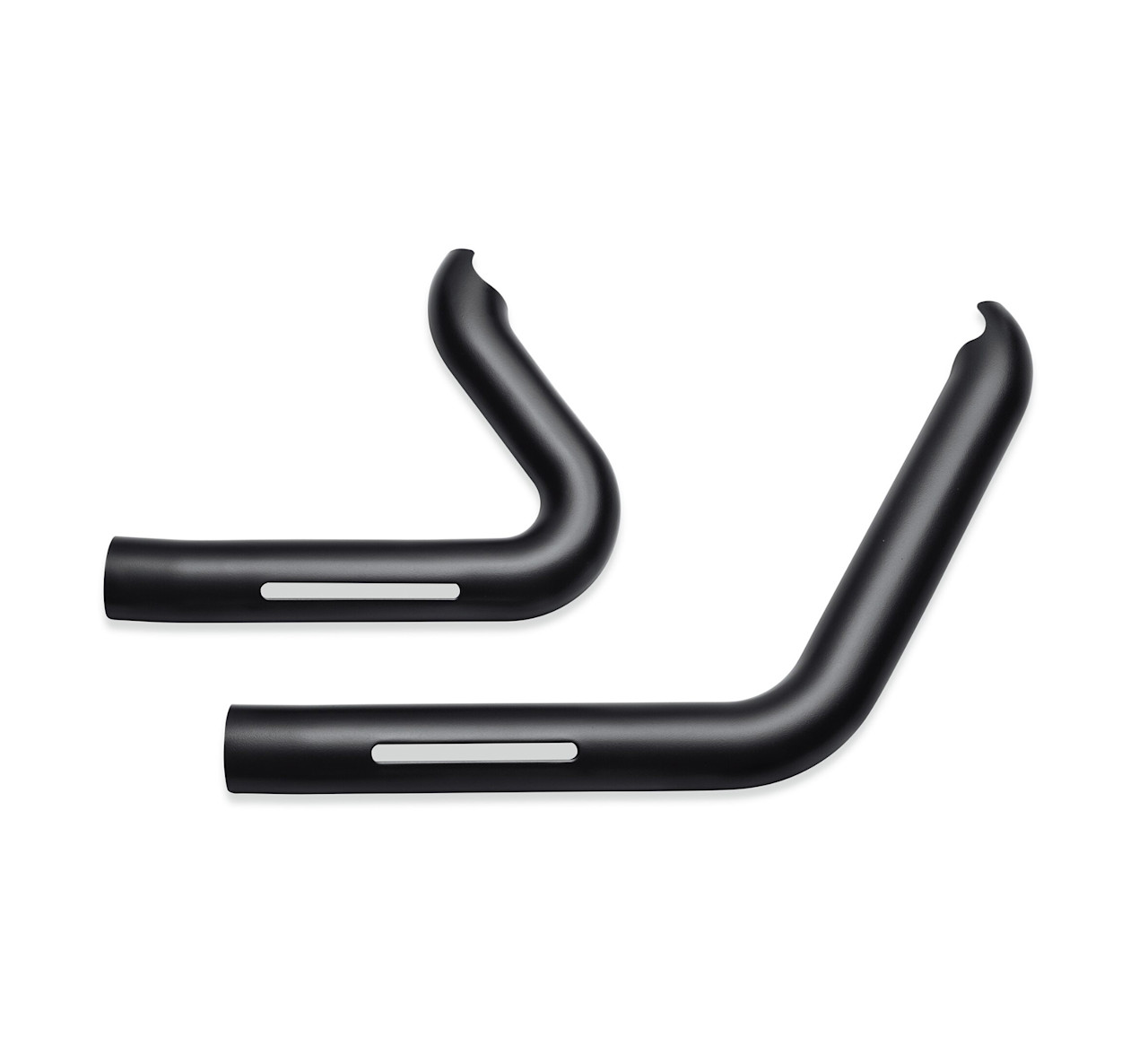
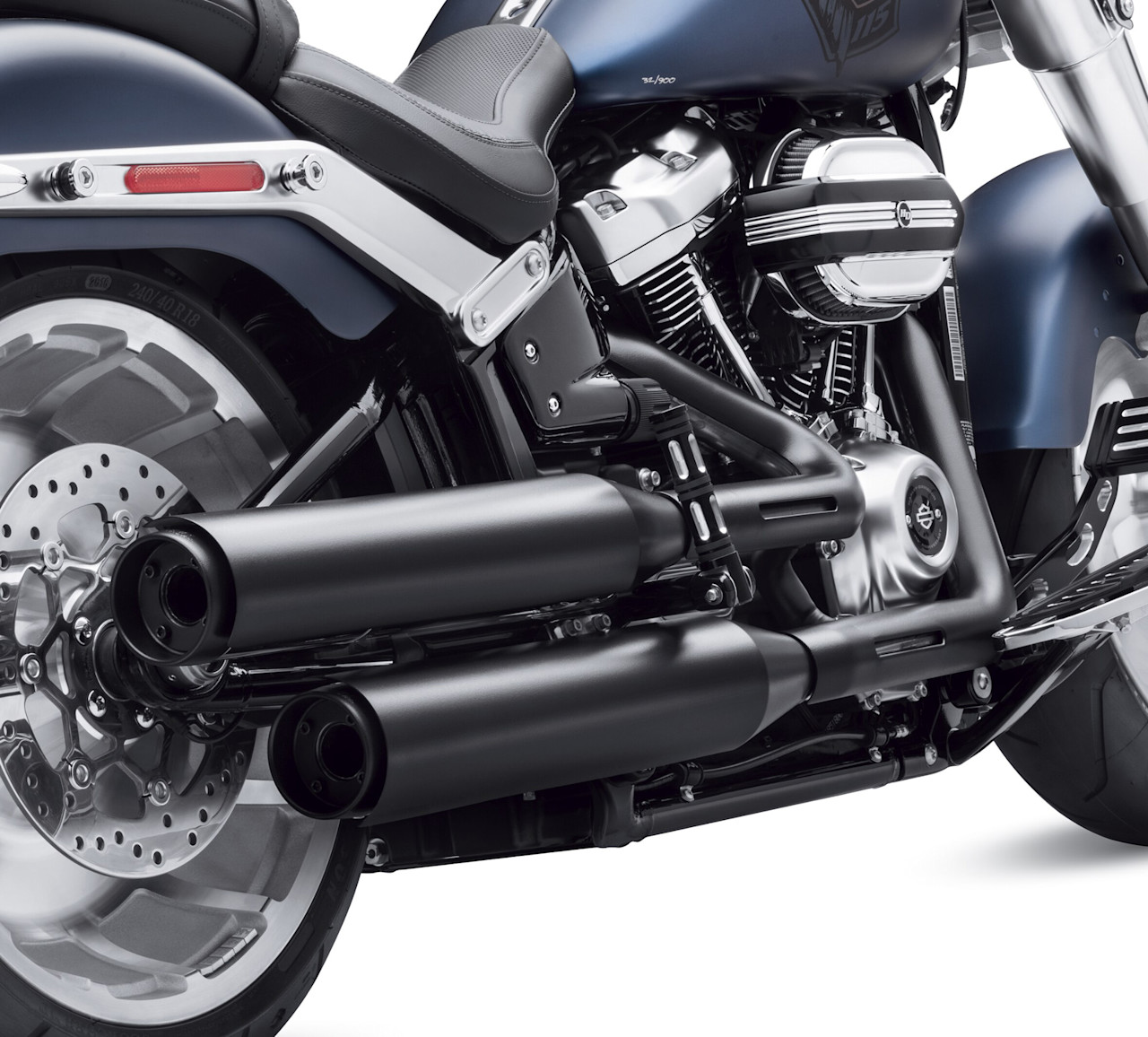
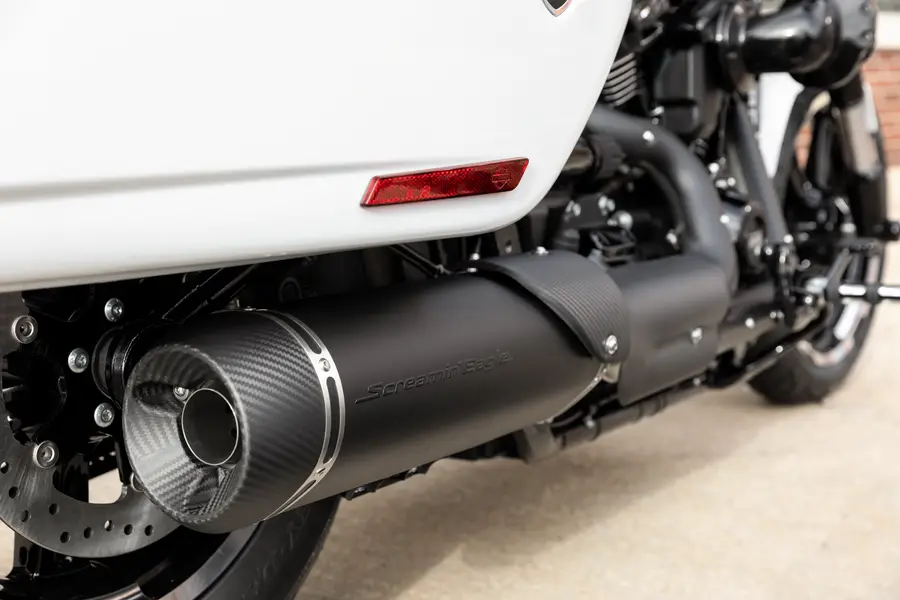
The Screamin' Eagle exhaust range spans three main families, each engineered for a different combination of performance and road compliance. The Street Cannon mufflers sit at the top — the highest-performing option in the range, built with race-grade construction and the kind of deep, authoritative sound that the performance exhaust market has spent decades trying to replicate. High Flow catalytic mufflers are the 50-state and California road-legal option: quieter than the Street Cannon, but still a measurable step up from the stock exhaust in both flow rate and power output. CVO-style catalyst mufflers are designed to match the visual language of CVO flagship models — the right choice when aesthetics and road compliance need to work together.
All road-going Screamin' Eagle exhaust systems carry ECE certification and are fully MOT-compliant. Stage IV race-spec configurations — the straight-pipe Street Cannon setups — are track and competition use only, and will fail an MOT noise test if fitted to a registered road bike. If you're building a road machine, the 49-state or California-compliant SE exhaust listings are the ones to look at; product pages will indicate certification status clearly.
The Street Cannon turns the stock V-twin note into something that demands respect — a deep, deliberate thunder that carries at low revs without becoming a droning monotone at motorway speed. It is the sound Harley-Davidson riders have chased since the 1980s: present enough to announce your arrival, composed enough to live with on a four-hour run up the A9. The difference between a stock exhaust and a Street Cannon is the difference between a working motorcycle and one that sounds like it was built for something.
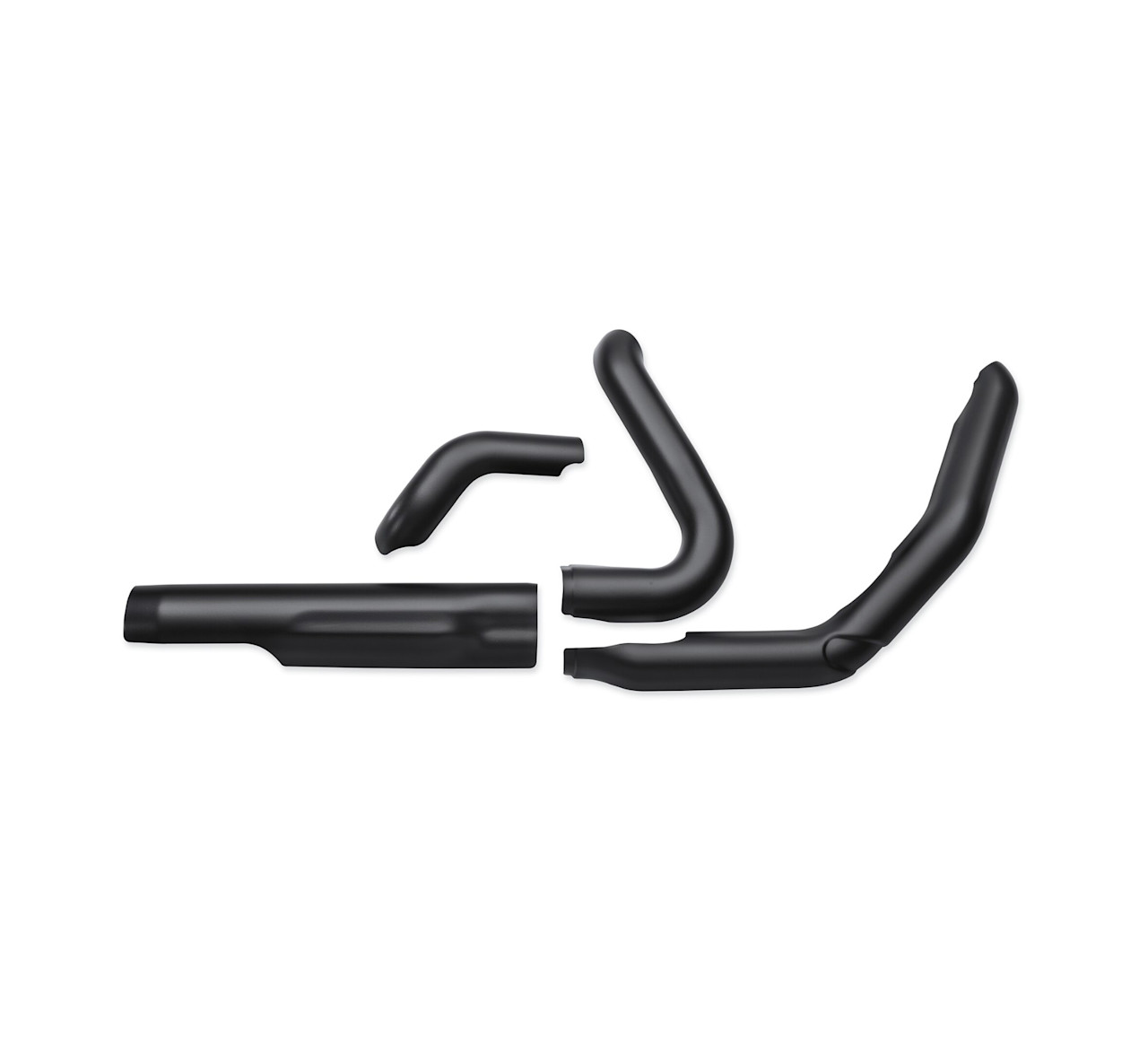
Installation varies by configuration. Most slip-on mufflers are a 30–45 minute garage job — two bolts, a clamp, and a gasket — well within reach of any home mechanic with basic hand tools. Full header systems take longer and benefit from ECM recalibration once fitted; the additional flow changes the fuelling requirement enough to leave performance on the table if you don't remap.
Our team at Iron Stable can advise which exhaust configuration best suits your specific model — whether you're building a road bike, a strip machine, or something in between. Call or email before you order if you're unsure; it's a five-minute conversation that can save a return shipment.
Breathe & Deliver
Air Cleaners & Camshafts
Screamin' Eagle High-Flow Air Cleaners
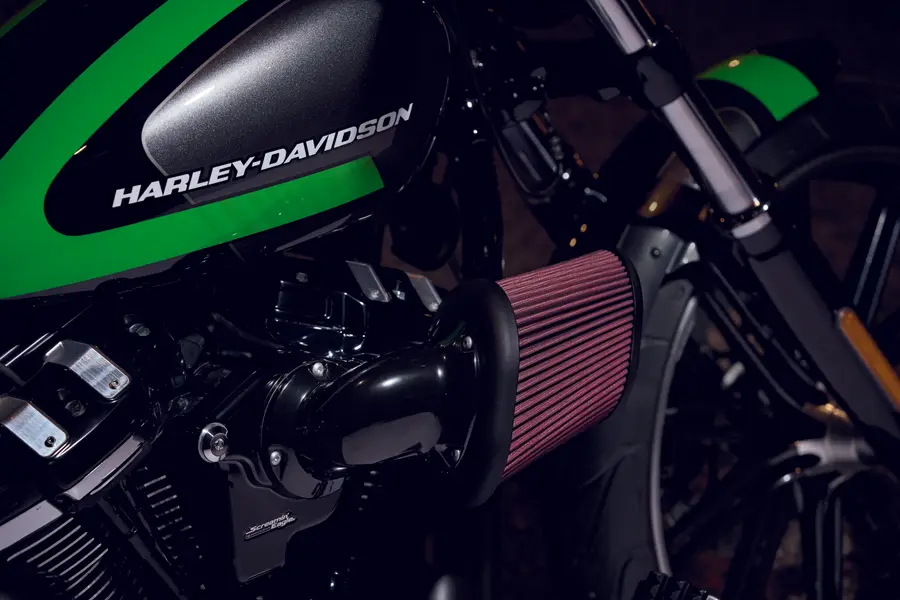
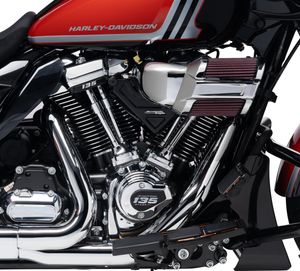
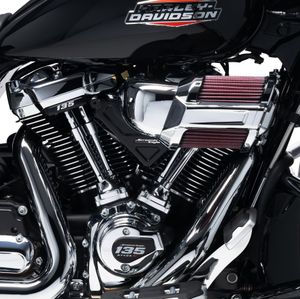
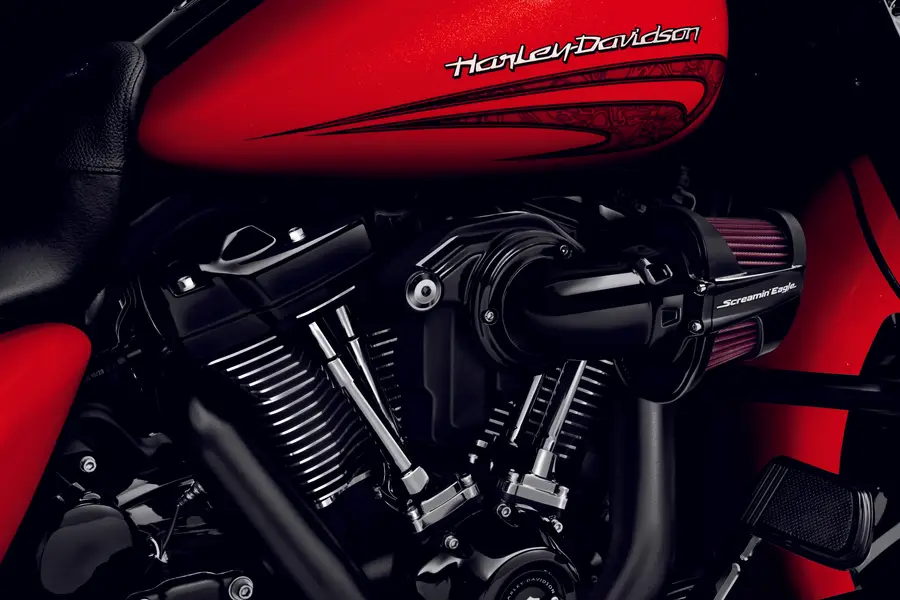
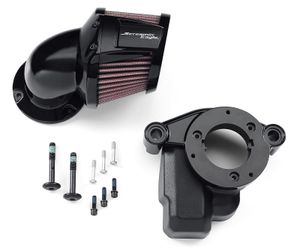
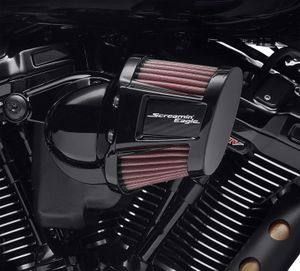
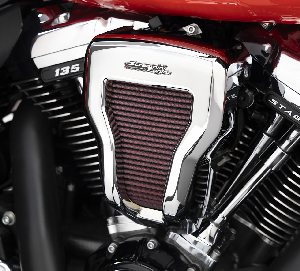
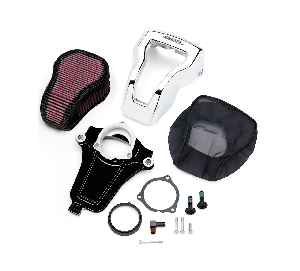
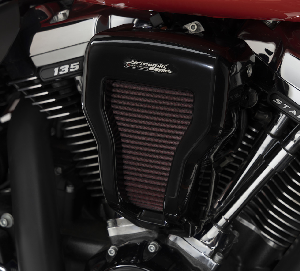
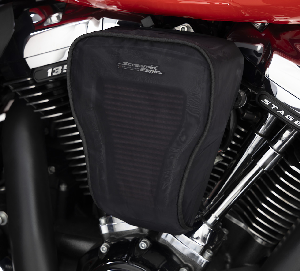
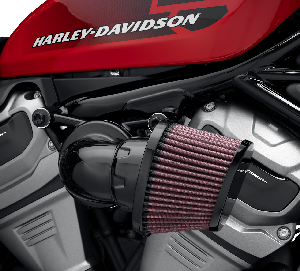
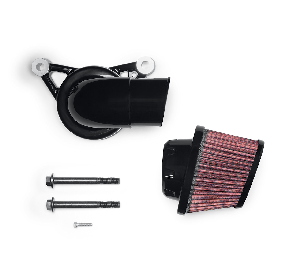
The Heavy Breather Performance Element is the flagship SE air cleaner — a washable cotton gauze filter that flows significantly more air than the stock paper element and needs no re-oiling after cleaning. Its integrated breather system routes crankcase vapours cleanly through a sealed design, keeping oil mist out of the intake tract.
Finish options cover forward-facing chrome and black to suit any build aesthetic, from stripped-back Street 750 to fully dressed touring machine. Typical gains on an EFI Milwaukee-Eight sit at 3–6 bhp — but the number undersells the transformation. The throttle response sharpens noticeably; the engine feels more eager from the bottom of the rev range, pulling with a directness the stock airbox simply doesn't allow.
Paired with a Stage I exhaust, the SE air cleaner delivers a complete bolt-on Stage I build — the most popular upgrade path for new Harley owners who want to wake up their machine without touching the bottom end. Fitting is an afternoon job: no specialist tools, no ECM remap required.
Screamin' Eagle Performance Camshafts
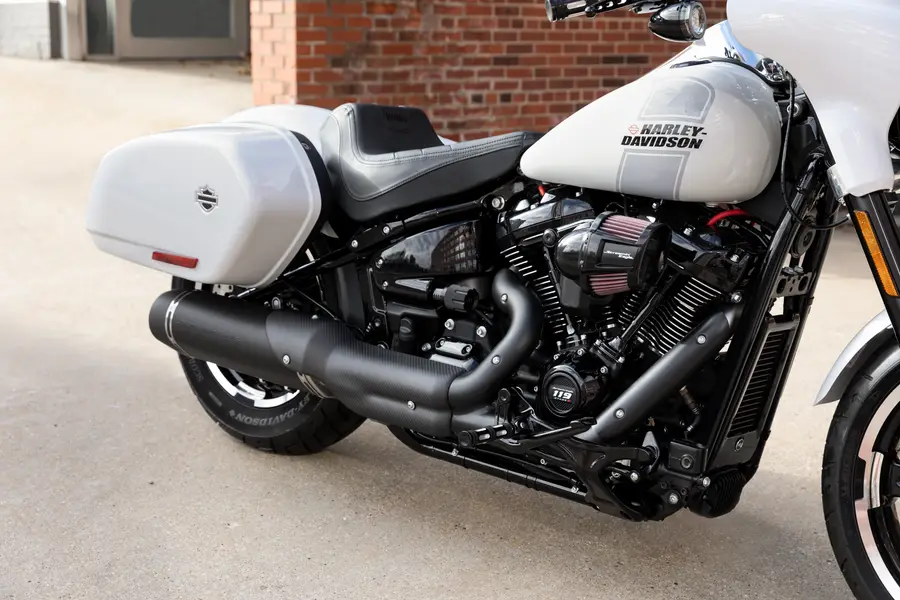
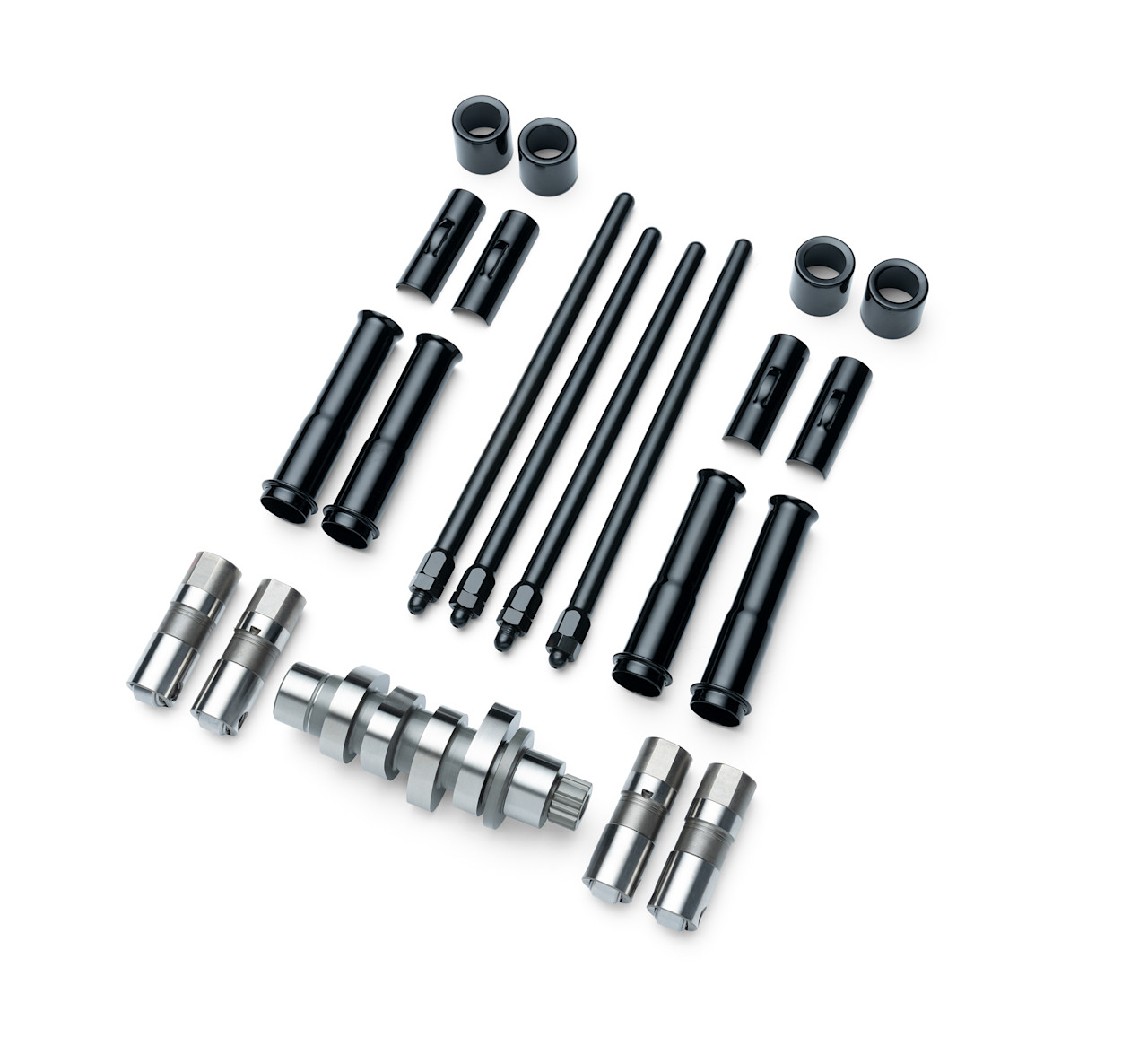
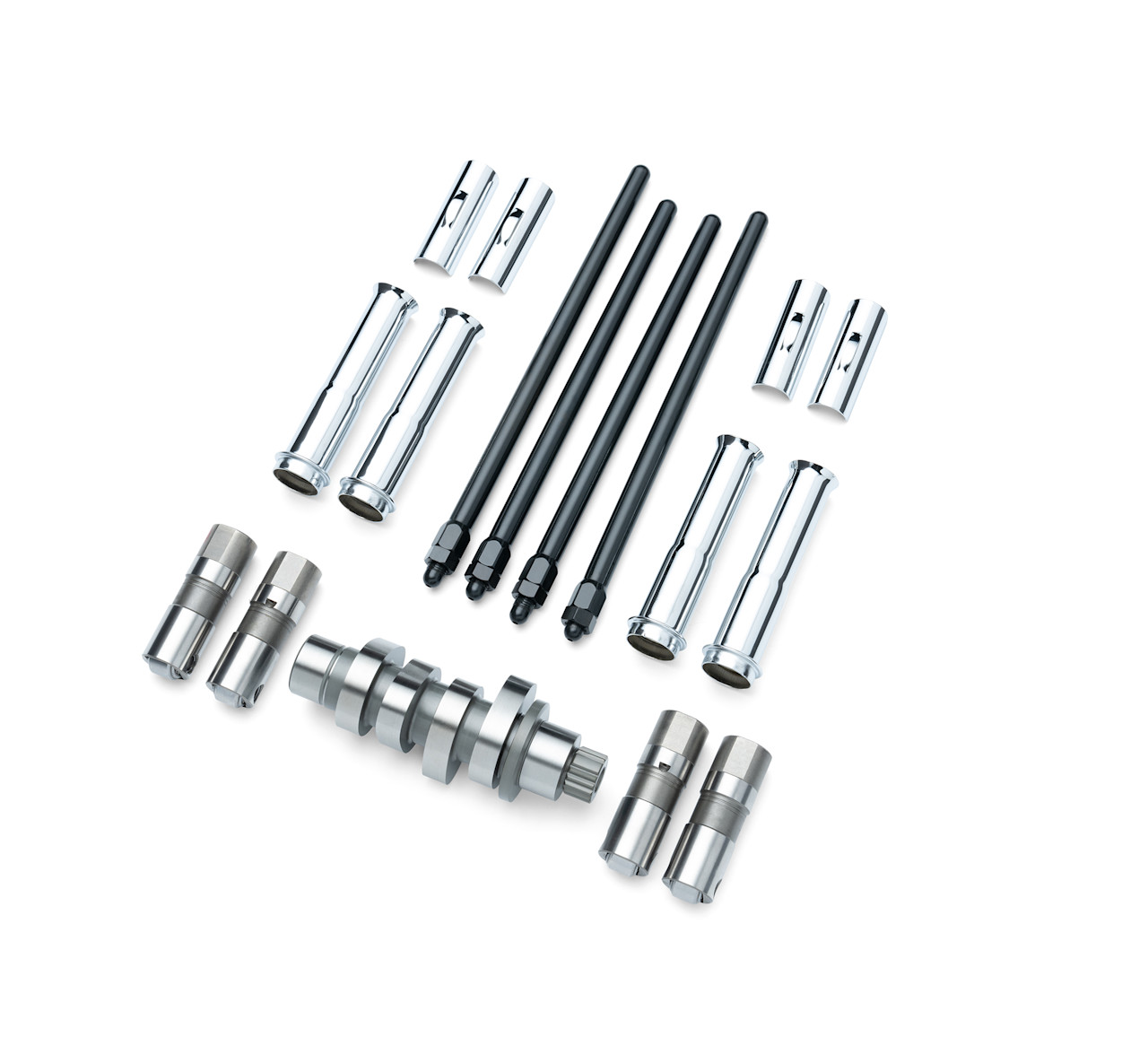
The SE-255 cams are the street-performance choice: a profile optimised for the real-world riding conditions most Harley owners actually encounter — commuting, weekend blasts, the occasional longer run. Maximum torque sits in the mid-range, where road riding actually lives. The SE-203 cams are more aggressive, suited to spirited street use and best paired with a Stage II+ build; the sharper response rewards riders who use the full rev range.
Both profiles are CNC-precision ground to tighter tolerances than stock cams, with lobes designed specifically for Milwaukee-Eight and Twin Cam platform geometry. A cam swap is typically the heart of a Stage II upgrade — paired with a new air cleaner and exhaust, the improvement in acceleration is the most noticeable transformation on the entire Harley stage ladder. More than any single bolt-on, the cams change how the engine feels at every throttle position.
ECM recalibration is essential after a cam change — the new profiles alter fuelling requirements significantly, and running lean will damage an engine. Budget for the SE Pro Street Tuner or a dealer dyno session when planning a Stage II build.
Authorised UK Stockist
Iron Stable is an authorised Screamin' Eagle dealer. Every part is genuine, factory-warranted, and shipped from Leeds Harley-Davidson — a franchise dealer with decades of Harley expertise.
Free UK Delivery
Free standard delivery on orders over £100. Express and next-day options available at checkout — most orders dispatched same day when placed before 2pm.
Technical Expertise
Our team knows Harley V-twin platforms inside out. Fitment question, stage kit query, or cam spec advice — call or email before you order and we'll point you in the right direction.
Genuine Parts Guarantee
Every Screamin' Eagle part we sell is 100% genuine Harley-Davidson. No pattern parts, no grey-market imports — just factory-boxed, warranty-backed performance components.
Common Questions
Screamin' Eagle — Frequently Asked Questions
What are Screamin' Eagle performance parts?
What is the difference between Stage I, II, III and IV kits?
Will fitting Screamin' Eagle parts void my Harley-Davidson warranty?
Do I need an ECU remap after fitting a Stage Kit?
Which Stage Kit is right for my Harley-Davidson?
Are Screamin' Eagle exhaust systems street legal and MOT-compliant in the UK?
Can I fit Screamin' Eagle parts at home or do I need a Harley dealer?
How much horsepower can I gain from a Screamin' Eagle Stage Kit?
What is the difference between Screamin' Eagle and aftermarket performance parts?
Does Iron Stable ship Screamin' Eagle parts to Europe?
Key Terms Explained
Screamin' Eagle Glossary
- Milwaukee-Eight
- Harley's current-generation V-twin, launched in 2017. The 'Eight' is the valve count — four per cylinder. If your Harley was registered from 2017 onwards you almost certainly have one, in 107, 114, 117, or 121ci form. The SE Stage Kit programme for this engine is the most developed in the catalogue.
- Twin Cam 88/96/103
- Tens of millions of these are still on the road. Harley's previous V-twin family ran from 1999 to 2017 and the SE performance programme for it is mature and well-documented — virtually every combination has been done. The number is the displacement in cubic inches.
- Stage Kit
- Harley-Davidson's structured performance upgrade system: Stage I (air and exhaust, bolt-on), Stage II (add cams), Stage III (increase displacement), Stage IV (full factory engine build). Each stage is designed as a complete system, not just a list of parts.
- EFI (Electronic Fuel Injection)
- All Harleys from 2007 onwards use EFI. The system is controlled by the ECM, which calculates fuel delivery based on throttle position, engine speed and temperature. Change the cam profiles or displacement without updating the ECM and the calibration is wrong — which matters.
- ECM / ECU
- The bike's engine computer. Stock calibration is tuned for stock parts. Fit SE cams or a displacement kit without remapping and the engine runs lean — not ideal on a high-compression V-twin. This is why the SE Pro Street Tuner exists.
- SE Pro Street Tuner
- Plugs into the diagnostic port and loads Harley's pre-mapped calibration files for specific SE Stage Kit configurations. Adequate for Stage I and II. Available from Iron Stable — if you're buying a cam kit, buy this alongside it.
- Dyno Tune
- A rolling-road calibration tailored to your exact combination of parts, your engine's specific characteristics, and the fuel you actually run. Overkill for Stage I. For Stage III and IV, where the investment is substantial, it's the only way to extract everything the build is capable of.
- Camshaft
- Controls when valves open, how far, and for how long. The stock profile is conservative — it has to work for cold starts, low fuel grades, and noise regulations. The SE-255 and SE-203 profiles hold valves open longer at higher lift. More mixture in, more exhaust out, more power. That's where the Stage II gains actually come from.
- CNC Porting
- The cylinder head has passages — ports — that route the fuel-air charge into the combustion chamber and carry exhaust gases out. Larger, smoother ports flow more air. CNC machining removes material from these passages with computer-controlled precision, far beyond what hand-porting achieves. Standard on Stage IV heads.
- CVO (Custom Vehicle Operations)
- Harley's factory custom division, responsible for their most expensive limited-edition models. Screamin' Eagle parts come from the same engineering programme. When you fit a Stage IV kit, you're specifying parts developed to the same performance brief as a £35,000 CVO Street Glide.
- High-Flow Air Cleaner
- Replaces the stock airbox filter with a high-flow cotton gauze unit. More air in, more power out. The SE Heavy Breather is the standard choice — washable, no re-oiling needed, chrome or black. Usually the first part people fit, and for good reason.
- Street Cannon
- The name isn't marketing. These are loud — a deep, authoritative V-twin note that carries at low speed without droning on a long motorway run. Road-legal versions carry ECE certification. The straight-pipe race configurations are track-only and will fail an MOT.
- Bhp vs Torque
- Bhp is what the engine makes at high revs. Torque is what you feel when you crack the throttle at 40 mph on a country road. Harleys have always been torque engines — the power band lives in the mid-range. SE Stage Kits improve both numbers, but the torque improvement is what you'll actually notice.
- Bore & Stroke
- Bore is the cylinder diameter; stroke is how far the piston travels. Engine displacement comes from both. Stage III kits increase bore with larger pistons and cylinders — the cleanest way to add cubic inches on a Harley V-twin without crankshaft work.
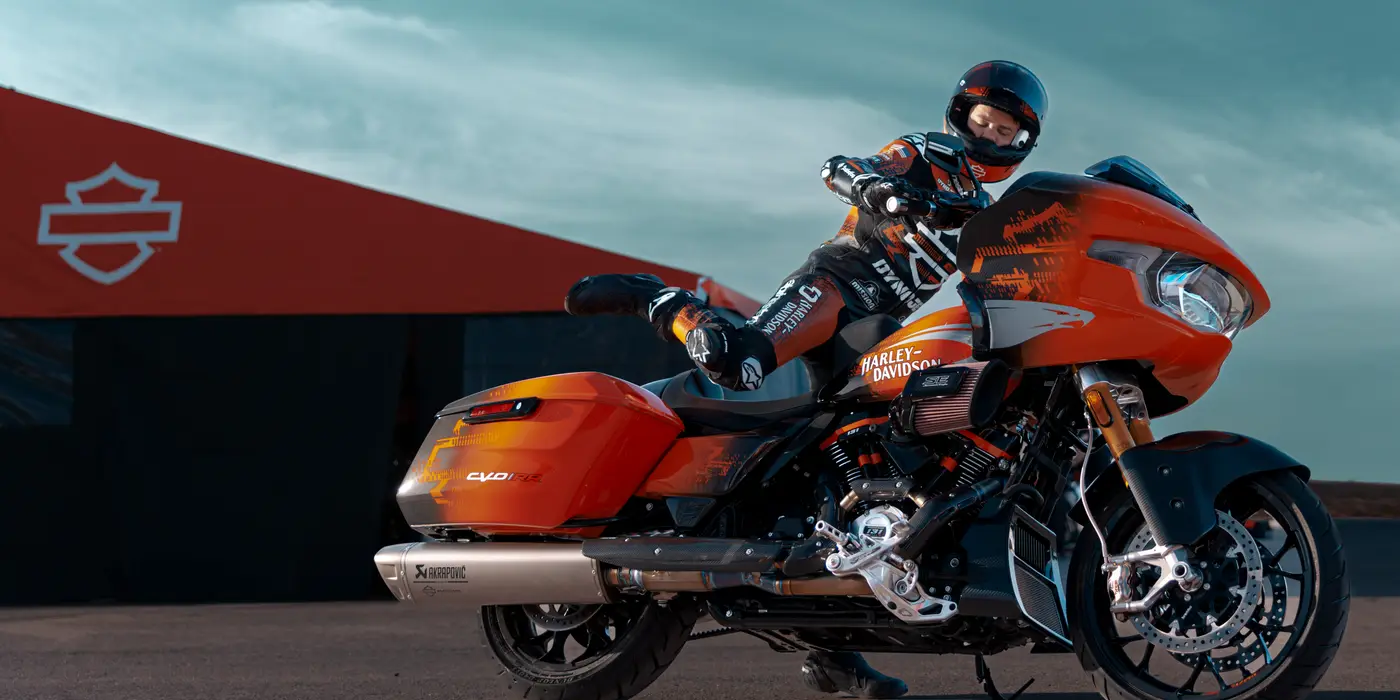
Your build starts here
Unleash Your Harley-Davidson
Browse 251 genuine Screamin' Eagle performance parts — from a first Stage I air cleaner to a complete Stage IV engine build. Every part genuine, every order backed by Iron Stable's authorised dealer service and free UK delivery over £100.